Front-end development looks approachable — it is just web pages — until you realize it is three languages, a browser full of quirks, and an ecosystem that reinvents itself every few years. People who skip the fundamentals and jump straight to a framework end up unable to debug the layer beneath it, forever dependent on tutorials.
The fix is to build from the ground up: structure first, then style, then behavior, then the frameworks that assemble it all. Learn each layer well enough to reason about it and the next one becomes a convenience rather than a crutch. That is the order this path follows.
Structure and style
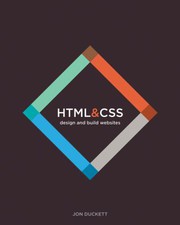
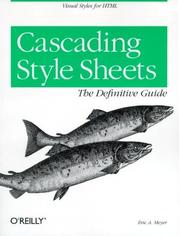
Start with HTML & CSS. Jon Duckett's visual classic makes the foundation of every web page painless and memorable. Then go deep on styling with CSS: The Definitive Guide, the thorough reference on how the cascade, the box model, and layout actually work, and CSS secrets, which teaches elegant solutions to the tricky visual problems that come up in real work. Add Responsive Web Design by Ethan Marcotte — the short, foundational text that established how sites adapt to every screen.
Add behavior with JavaScript
With markup and style solid, bring pages to life. JavaScript and JQuery: Interactive Front-End Web Development, again from Duckett, connects JavaScript directly to the DOM in the same friendly style. Then level up with Eloquent Javascript for real programming depth, and You Don't Know JS: Scope & Closures to master the language mechanics that cause the most confusing front-end bugs.
Build modern interfaces
Frameworks come last, on a foundation that can support them. Learning React introduces component thinking, state, and the modern build workflow that dominates today's front end. Keep Douglas Crockford's JavaScript on the shelf as the guide to writing in the language's trustworthy subset — advice that keeps your components clean no matter which framework wins next year.
Follow the path in order and you will understand every layer of what renders in the browser, not just the top one. From here the back-end and mobile paths let you build the whole product.
Follow the full reading path →
Ready to learn something deeply?
Build a reading path — free