Bioethics is one of the few fields where reading the textbook first is actively counterproductive. The discipline was built backwards — the abuses came first, and the principles were written afterwards, specifically to stop them happening again. Open with the four principles and they read as bland abstractions. Open with the cases and every principle arrives as an answer to something you have just been made to sit with.
So this path follows the historical order: the cases, then the framework and how it was assembled, then the bedside work of applying it, then the arguments the framework does not settle. It is a path for thinking clearly about how medicine treats people. It is not guidance about anyone's own treatment, and nothing in it should be read as clinical or legal advice.
The cases that made the field
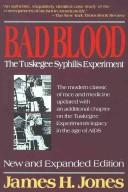
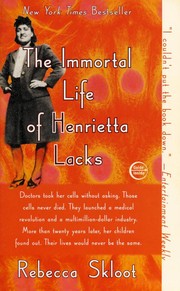
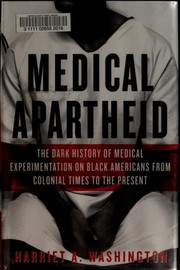
Bad blood is the definitive history of the Tuskegee syphilis study, and almost every rule in modern research ethics can be traced to something in it. The Immortal Life of Henrietta Lacks follows the HeLa cell line through the family whose tissue was taken without consent or compensation, and introduces the gap between legal permission and moral consent that Tuskegee's reforms did not close. Medical apartheid widens both into a documented history of experimentation on Black Americans from slavery onward; read it third, because its argument is precisely that the famous cases were not aberrations.
The Spirit Catches You and You Fall Down then changes the register. A Hmong child's epilepsy and a Californian hospital, with no villain anywhere — a collision between two coherent understandings of an illness. Good-faith failure is the harder ethical situation and by far the more common one, and this is the book that makes that clear.
The framework and where it came from
Strangers at the Bedside explains what problem the framework was invented to solve: how ethics committees, review boards and outside oversight moved decisions away from the individual physician. Read it before the principles themselves. The birth of bioethics, by someone present at the founding, traces how a loose set of theological and philosophical arguments hardened into an academic discipline, and gives you the names and commissions the primary texts assume you already know.
Only then Principles of biomedical ethics, the source of the four principles — autonomy, beneficence, non-maleficence, justice. It is a serious academic work rather than an introduction, which is exactly why it sits third here.
Ethics at the bedside
Clinical ethics is the practical companion: a four-box method for working a real case through indications, patient preferences, quality of life and contextual features. This is the book clinical ethics consultants actually reach for. Being Mortal follows, because Atul Gawande's cases are the ones where autonomy and beneficence pull hardest in opposite directions, and his argument is that medicine systematically mistakes what dying patients want. Extreme Measures, by an intensive-care and palliative physician, closes the stage by showing how the machinery of the ICU produces outcomes nobody chose — many ethical failures are structural rather than anyone's decision.
What the framework does not settle
The Nazi Doctors is the field's limit case: a psychiatric study of how physicians came to run the machinery of genocide while still understanding themselves as healers. It is the reason bioethics treats professional self-image as evidence of nothing.
Practical ethics is placed last on purpose. Peter Singer works through abortion, euthanasia, disability and the allocation of scarce resources with unusual consistency, and reaches conclusions that are widely and seriously contested — disability rights scholars in particular have argued at length that his premises misdescribe the lives he reasons about. That dispute is real and this path does not settle it. Reading him after the whole framework is the point: it shows where rigorous argument and settled moral intuition come apart, which is the question the field actually lives with.
Twelve books, in the order the discipline built itself. Follow the full path below.
Follow the full ordered path here: Medical Ethics and Bioethics: The Best Books to Read First.