A surgical technologist stands at the sterile field, anticipating a surgeon's next move — a role built on language, sterile discipline, instrument mastery, and anatomy, layered in that order. Books are a major part of the preparation, but they support an accredited program, supervised clinical rotations, and certification, not a substitute for them. A good reading order matters because each layer is a prerequisite for the next: you can't manage instruments before you understand sterile technique, and you can't anticipate a step without knowing the anatomy.
Use this sequence to preview, reinforce, or review alongside your training.
Learn the language and the room
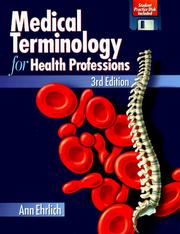
Start with Medical Terminology For Health Professions by Ehrlich, because everything spoken in the OR runs on this vocabulary. Then The Operating Room: A Primer for Surgical Students by Little orients you to how the room actually works — roles, flow, and the rhythm of a case.
Core practice and instrumentation
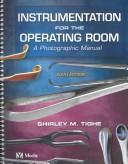
Now the heart of the discipline. Surgical Technology for the Surgical Technologist from the Association of Surgical Technologists is the field's comprehensive core text, covering sterile technique, procedures, and the tech's responsibilities. Instrumentation for the Operating Room by Tighe teaches you to identify and manage the instruments by sight and function, and Alexander's care of the patient in surgery by Rothrock is the deep procedural reference for how cases are run and the patient is cared for throughout.
Anatomy and technique
To truly anticipate the surgeon, you need the anatomy and the surgical approach. Surgical Anatomy and Technique by Skandalakis connects the structures to the operations performed on them, sharpening your sense of what comes next in a case.
Prepare for certification
Finally, target the exam. Surgical Technology Examination Review by Fortunato and the CST Surgical Technology Certification Exam Flashcard Study System from Mometrix are built to consolidate everything for the CST exam, while Surgical technology, principles and practice by Fuller serves as both a strong comprehensive text and a review backbone.
Follow the path in order and the OR stops being overwhelming — you'll understand the room, the tools, and the anatomy well before the credential confirms it.
Follow the full reading path →
Ready to learn something deeply?
Build a reading path — free