Survival content has a fantasy problem. The internet sells knife fights with nature; the actual discipline is closer to accounting — a short list of priorities (shelter, water, fire, signaling, navigation) executed calmly in the wrong weather. People fail at wilderness skills not from lack of grit but from practicing the dramatic skills and skipping the boring ones. The books on this path are chosen to invert that.
Wilderness survival skills: the reading path beyond campfire bravado
July 9, 2026 · 2 min read
The path, stage by stage
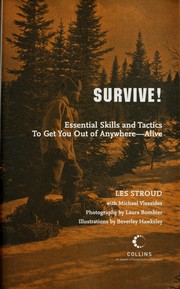
Start with the realist. Survive! by Les Stroud — the man who filmed himself alone in the wild for years — is blunt about what actually kills people (exposure, panic, getting lost) and what actually saves them (staying warm, staying found, staying calm). It sets the priorities every other book slots into.
Then build hands-on capability. Bushcraft 101 by Dave Canterbury organizes the craft around a small kit and the skills to use it — cutting tools, cordage, containers, combustion, cover — with the discipline of a curriculum rather than a stunt reel. Its sequel, Advanced Bushcraft, extends into longer-term skills once the fundamentals are muscle memory.
Navigation deserves its own book, because it's the skill that prevents most survival situations outright. Be Expert with Map and Compass by Björn Kjellström — written by the man who helped invent modern orienteering — remains the definitive teach-yourself text. Read it, then actually go orienteering; GPS batteries die and this skill doesn't.
Then deepen your relationship with the landscape. Tom Brown's Field Guide to Wilderness Survival by Tom Brown, Jr. covers shelter, water, fire, and plants with unusual depth, and his Field Guide to Nature Observation and Tracking teaches the older skill underneath all of it: actually seeing what the woods are telling you. For the full-immersion perspective, Primitive Wilderness Living and Survival Skills by John McPherson documents making everything — containers, fire kits, shelters — from the land itself, with zero romance and lots of testing.
One line that belongs in bold: never eat any wild plant or mushroom without expert-level identification — foraging errors are among the few survival mistakes that are routinely fatal, and no single book chapter makes you an expert.
The habit: one skill per outing, practiced to boredom
Every hike or campout, pick exactly one skill and drill it until it's boring: a fire with a single match in damp conditions, a tarp shelter in under fifteen minutes, a compass bearing walked accurately through trees. Tell someone your route, carry the ten essentials, and practice within your margin of safety — skills rehearsed in comfort are the only ones that show up under stress.
Time and the path
Nine books is roughly 90 hours of reading — pair every chapter with dirt time, because these skills only exist in your hands. Follow the path, or start at the wilderness survival hub. Most of these skills get their reps on the trail — the backpacking hub is the natural training ground.
FAQ
- What survival skill should I learn first?
- Navigation and shelter, in that order — not getting lost prevents most emergencies, and exposure is the fastest killer in the ones that happen anyway. Fire-making is third, and far more useful than the internet’s obsession with it suggests.
- Is it safe to practice survival skills alone?
- Practice near home or an established camp, tell someone exactly where you’ll be and when you’ll return, and keep real supplies as backup while you drill primitive methods. The skills are for emergencies; practicing them shouldn’t create one.
Get the books
- 1Survive!Amazon ↗Les Stroud
- 2Tom Brown's Field guide to wilderness survivalAmazon ↗Tom Brown, Jr.
- 3Be expert with map and compassAmazon ↗Kjellström, Björn
- 4Bushcraft 101Amazon ↗Dave Canterbury
- 5The book of woodcraft and Indian loreAmazon ↗Ernest Thompson Seton
- 6Advanced bushcraftAmazon ↗Dave Canterbury
As an Amazon Associate we earn from qualifying purchases. Some book links are affiliate links; you pay the same price and we may earn a small commission.
Follow the full reading path
Wilderness skills everyone should know
Beginner9books58 hrs4 stages
@wellsherpa♥ 0
Ready to learn something deeply?
Build a reading path — free