Sanskrit rewards patience like few languages. Its grammar is famously precise, its script logical once learned, and its literature is one of humanity's great inheritances. But it is also a classical language most people study for reading rather than conversation, so the path is different from a modern-language path: script and grammar come first, and the goal is unlocking real texts.
A note up front: books can carry you a long way in Sanskrit because the aim is reading, but the grammar only sinks in through active practice, writing out declensions, memorizing paradigms, and translating a little every day. Treat these books as a course you work through, not a shelf you browse.
Script and first steps
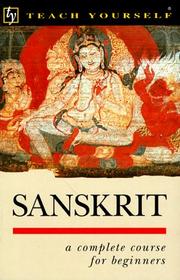
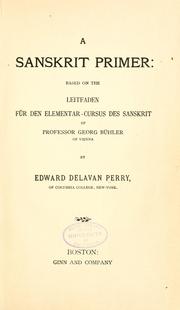
Start with The Sanskrit Alphabet, which gets Devanagari and pronunciation solid before anything else, since everything downstream depends on it. Then Michael Coulson's Sanskrit is the widely used self-teaching course that takes you methodically through the grammar with graded readings. For a lighter parallel track, Learn Sanskrit in 30 Days gives quick, confidence-building exposure, and A Sanskrit primer offers a classic structured introduction to lean on.
Grammar and reference
Next, deepen the grammar. A Higher Sanskrit Grammar is a thorough reference to consult as sentences get complex, the book you keep open beside your reading. To start actually translating, Hitopadesha offers accessible fables that are a traditional first reader, ideal for applying grammar to real, rewarding sentences. Keep The student's English-Sanskrit dictionary at hand throughout, since looking words up well is half the skill.
Reading the classics
With grammar and a dictionary in place, move to the literature the whole effort is for. The Bhagavad-Gita is the natural first great text, short, endlessly studied, and available in editions that support learners line by line. Kalidasa's Shakuntala introduces you to classical drama and poetry, and The Ramayana of Valmiki opens the vast world of epic. Reaching these is the payoff that makes the grammar worth it.
Follow the full path in order, pairing every book with daily written practice, and Sanskrit's great texts open up.
Follow the full reading path →
Ready to learn something deeply?
Build a reading path — free