Icelandic has changed remarkably little in a thousand years, which is thrilling—you can eventually read the medieval sagas—but it also means a demanding, heavily inflected grammar with four cases and rich verb forms. A sensible path front-loads a good beginner course, then adds grammar and reference tools, then reaches for real texts. Skip the foundations and the inflections will bury you.
These books are for self-study; Icelandic is a small language with limited resources, so patience and repetition matter, and they complement rather than replace speaking practice. Here's a sequence from first lessons to the sagas.
Start speaking and reading
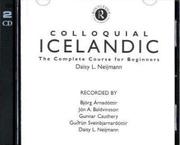
Begin with Colloquial Icelandic by Neijmann, a friendly, well-structured course with dialogues and audio, and continue with Teach Yourself Icelandic, also by Neijmann, for more of the same solid grounding. For extra practice, Íslenska fyrir útlendinga is a standard Icelandic-made coursebook used with learners in Iceland.
Grammar and reference
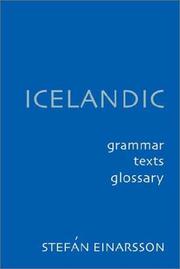
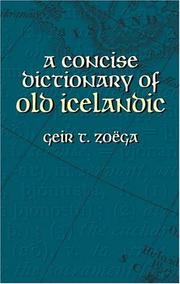
Once you have basics, deepen. Icelandic by Stefan Einarsson is the classic thorough grammar and reader—dense but comprehensive. Keep A concise dictionary of Old Icelandic by Zoëga nearby for when you start looking at older texts, and Íslensk orðabók by Árnason, the standard monolingual dictionary, for modern reading.
Read the sagas and modern fiction
Now the payoff. Njáls Saga is the greatest of the Icelandic family sagas—a sweeping tale of feud and honor, and remarkably readable in the original once you've built up. For modern literature, Independent people by Halldór Laxness, the Nobel laureate's masterpiece of a stubborn sheep farmer, is a moving and rewarding climb.
Follow the full path and you'll bridge a thousand years of one of Europe's most conservative languages.
Follow the full reading path →
Ready to learn something deeply?
Build a reading path — free