The single most important thing to know about learning Tamil is diglossia: the everyday spoken language differs substantially from the formal written one, and good resources address this head-on. A path that introduces speaking first, then the writing system and grammar, then the spoken/written divide explicitly, saves you from the common trap of learning textbook Tamil no one actually speaks.
These books support self-study, but Tamil truly rewards listening and speaking practice with the language around you—they complement rather than replace that. Here's a sequence that respects the spoken/written split.
First steps
Start with Learn Tamil Through English by Navaratnam, a gentle bilingual introduction, and Colloquial Tamil by Asher, an excellent course that sensibly foregrounds the spoken language with audio. Together they get you communicating early rather than stuck memorizing script.
Grammar and the spoken form
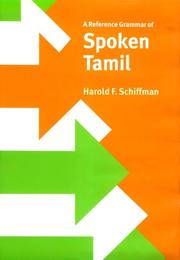
Now build structure. A reference grammar of spoken Tamil by Schiffman is the key resource for the language people actually speak—indispensable and clear. Complement it with A grammar of modern Tamil by Lehmann for the written standard, and Spoken Tamil for Beginners by Subramaniam for more graded practice. Keep the Tamil lexicon from the University of Madras as a reference when you need it.
Consolidate and expand
Finally, broaden and drill. Learn Tamil in 30 Days by Krishnaswamy is a popular quick-reference for phrases and script, Intermediate Spoken Tamil by Schiffman takes your conversation to the next level, and A Frequency Dictionary of Tamil by de Schryver focuses your vocabulary effort on the words that matter most.
Follow the full path and you'll handle both the Tamil people write and the Tamil they speak.
Follow the full reading path →
Ready to learn something deeply?
Build a reading path — free