The dirty secret of car detailing is that enthusiastic amateurs cause a lot of the damage they're trying to fix. Swirl marks come from washing with the wrong technique. Burned-through clear coat comes from polishing without knowing how thin modern paint is. Cracked leather comes from the wrong products applied confidently. Detailing rewards restraint and understanding — knowing what a paint system actually is, layer by layer, before you touch it with anything abrasive. That knowledge is cheap; a respray is not.
Car detailing at home: showroom results without the shop bill
July 9, 2026 · 2 min read
The path, stage by stage
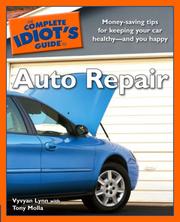
The path builds understanding from the inside out. The Complete Idiot's Guide to Auto Repair by Vyvyan Lynn earns its place first — not because detailing requires wrenching, but because knowing how a car goes together (trim, seals, drains, what's under the carpet) is the difference between cleaning a machine you understand and scrubbing a mystery. It also folds detailing into the maintenance mindset where it belongs: care, not cosmetics.
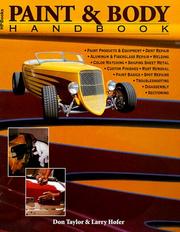
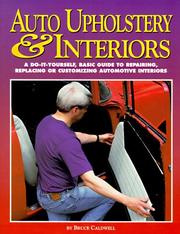
Then the core text: Don Taylor's Paint & Body Handbook, which teaches what paint actually is — primer, base, clear coat, how damage happens, and how professionals think about surfaces. Read this and paint correction stops being a leap of faith; you'll understand exactly what a polish removes and why "start with the least aggressive method" is the industry's first commandment. Finally, Bruce Caldwell's Auto Upholstery & Interiors does the same for the inside of the car — fabrics, leather, vinyl, carpets, headliners — so interior detailing becomes material-appropriate care instead of one spray bottle for everything.
Three books is the right size for this path because detailing knowledge compounds across surfaces: once you understand paint as a layered system and upholstery as a set of distinct materials, every product aisle and every new technique slots into a framework. The reading is short; the restraint it buys you — knowing when not to compound, what never to soak — is the expensive part to learn any other way.
The habit: the two-bucket weekly wash
Detailing lives or dies on the wash routine, because washing is where most paint damage happens. Adopt the two-bucket method — one bucket of soapy water, one of rinse water with a grit guard, top-down order, a clean microfiber mitt — and do it weekly. A correct wash habit prevents the swirls you'd otherwise spend a weekend polishing out, and it keeps you close enough to the car to catch problems (tree sap, rail dust, a failing seal) while they're still trivial.
This is a compact path — about 30 hours of reading — with results visible in your driveway immediately. Follow the path or start at the car detailing hub. The same care-and-inspection mindset extends naturally to car maintenance.
FAQ
- What’s the biggest beginner detailing mistake?
- Aggressive products on an unfamiliar surface — compounding paint or soaking leather without knowing the material. The fix is the professional’s rule: always start with the least aggressive method that could work, and escalate only if needed.
- Do I need a machine polisher?
- Not to start. A proper wash routine, clay bar, and hand-applied sealant transform most daily drivers. A dual-action polisher is a sensible upgrade once you understand paint systems — which is exactly what the reading covers.
Get the books
- 1The complete idiot's guide to auto repairAmazon ↗Vyvyan Lynn
- 2Paint & body handbookAmazon ↗Taylor, Don
- 3Auto upholstery & interiorsAmazon ↗Caldwell, Bruce
- 4Automotive DetailingAmazon ↗Don Taylor
As an Amazon Associate we earn from qualifying purchases. Some book links are affiliate links; you pay the same price and we may earn a small commission.
Follow the full reading path
Detail your car at home
Beginner4books19 hrs4 stages
@homesherpa♥ 0
Ready to learn something deeply?
Build a reading path — free