Car maintenance intimidates because cars feel like sealed magic. They aren't — a car is a set of understandable systems, and the routine work (oil, filters, brakes, fluids) sits well within any careful adult's ability. Even if you never pick up a wrench, understanding buys you something valuable: repair quotes stop being scary noises.
The order matters because the temptation is to start with the job in front of you. Start with the system instead. A person who knows why a brake caliper works the way it does can follow any procedure; a person who only knows one procedure is stuck the moment the car does something unexpected.
Stage 1: understand the machine
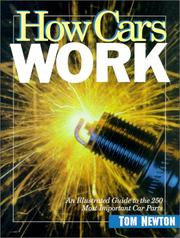
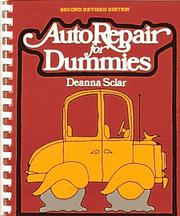
Our car maintenance path starts with comprehension: Tom Newton's How cars work is 250 illustrated pages that walk every system from the intake stroke to the differential, and it is the book to read before you own a single tool. Then Deanna Sclar's Auto repair for dummies — the friendliest hands-on manual in print and, despite the series name, one of the better-organised general repair books available. It is where the reading turns into doing.
Stage 2: the routine jobs
Chilton's easy car care adds the classic owner-level procedures: fluids, filters, belts, wipers, batteries, the maintenance schedule nobody reads. This is the stage that pays for itself fastest, because it is exactly the work shops charge the most labour for relative to parts.
Automotive Detailing by Don Taylor sits alongside it and is not a repair book at all — it is about washing, claying, polishing and protecting paint. Include it or skip it depending on whether you care about the car looking after itself as well as running; the car detailing hub goes deeper if you do.
Stage 3: read what the car is telling you
Modern cars diagnose themselves and then wait for you to ask. The Haynes OBD-II & electronic engine management systems manual teaches you to interpret the codes a twenty-dollar scanner pulls from the port under your dash, which is the single biggest levelling-up available to an owner — you walk into the shop knowing what the light means. Pair it with How to diagnose and repair automotive electrical systems by Tracy Martin, which teaches the multimeter skills underneath: voltage drops, grounds, parasitic draws, the reason your battery keeps dying.
Haynes Automotive Anti-Lock Brake Systems [ABS] Manual TechBook is the specialist volume for the one system most owners are rightly nervous about. Brakes are beginner-friendly right up until ABS is involved, and this is the book that draws that line clearly. Automotive air conditioning and heating by Ivan Hinerman covers the other system people assume is dealer-only; note that handling refrigerant is regulated in most countries and the diagnosis half is the part you can act on yourself.
Stage 4: the shop skills
The Haynes Welding Manual is the outlier in this path and belongs at the end. Most owners will never weld, and it is not required for any of the maintenance above — but exhaust work, rust repair and bracket fabrication all open up once you can, and it is the natural bridge into the power tools side of a home workshop.
The habit: one job per season
Don't try to become a mechanic in a month. Adopt one new job per season: oil change in fall, brake pads in spring, coolant next year. Each job teaches tools, torque, and confidence — and each one you own permanently. A cheap code reader plus the diagnostics books pays for itself the first time you decode a light before the shop does.
One safety line, stated once and meant: never work under a car supported only by a jack, and leave airbag systems, pressurised fuel lines and refrigerant to people with the training and equipment. Everything else on this list is learnable in a driveway.
About 75 hours of reading spread across a year of driveway Saturdays. Follow the path, and keep the machine pretty with car detailing.