Most people who try to understand AI risk get radicalized by whichever book they happen to read first. Start with a treatise on superintelligence and present-day algorithmic harms look like a distraction; start with a book on biased algorithms and long-term risk sounds like science fiction. The field is genuinely split, and the honest way in is to read both camps in an order that builds your judgment before it builds your opinions.
That is what this path is for: not to tell you which risks are real, but to teach you how to weigh the evidence yourself.
Why order matters here
AI ethics sits at the intersection of computer science, economics, political philosophy, and forecasting. If you jump straight to the most speculative material, you have no baseline for judging its plausibility. The right sequence starts with documented, present-tense harms, moves to the technical heart of the problem, and only then tackles the long-term arguments — so by the time you meet the boldest claims, you can evaluate them rather than just absorb them.
The path, stage by stage
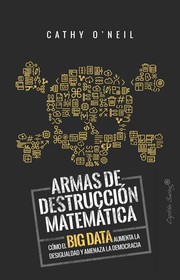
Start with what is already happening. Weapons of Math Destruction by Cathy O'Neil documents how opaque scoring models in lending, hiring, and criminal justice punish people at scale — concrete cases, no speculation required. Follow it with Atlas of AI by Kate Crawford, which reframes AI as a physical industry of minerals, labor, and data extraction, a corrective to treating these systems as disembodied math.
Then get the technical core. The Alignment Problem by Brian Christian is the best single explanation of why making machine learning systems do what we actually want is hard, told through the researchers working on it. Pair it with Human Compatible by Stuart Russell, where one of the field's founding figures argues the standard way we specify objectives for machines is broken by design — and proposes a fix.
Now you are ready for the long-term debate. Superintelligence by Nick Bostrom is the book that put existential risk from AI on the map; read it as a rigorous argument to be tested, one side of a live debate rather than settled fact. The Precipice by Toby Ord places AI among all existential risks and models how to reason about low-probability, high-stakes events without panic or dismissal.
Finish with the political economy. The Age of Surveillance Capitalism by Shoshana Zuboff argues the business model behind consumer AI is itself the harm, and Power and Progress by Daron Acemoglu brings a thousand years of evidence that who benefits from a technology is a political choice, not a law of nature. If you want the labor angle, World Without Work by Daniel Susskind takes automation's effect on jobs seriously without hype.
Every book above sits in the full reading path, ordered into stages with a study plan for each.
How to actually study this
Read with a running ledger. For each author, write down: what harm they claim, what evidence they offer, and what would change their mind. The present-harms camp and the existential-risk camp often talk past each other; your job is to notice where their claims actually conflict and where they merely differ in emphasis. Hold your conclusions loosely — this field moves fast, and several of these books disagree with each other on purpose.
When you can explain the strongest version of both camps to a skeptical friend, you have gotten what this path offers. Start at the AI ethics hub, or browse other paths when you are ready to go deeper into the technology itself.