Interpreting and translation reward two very different masteries: the craft of carrying meaning across languages, and the business of making a living from it. Plenty of gifted linguists struggle because they learned the first and ignored the second. A good reading order builds both, in sequence — first understanding what translation really is, then the craft, then a specialization, then the freelance business that turns skill into income.
This assumes you already have strong language skills; these books build the professional layer on top. Here's the path.
Understand what translation really is
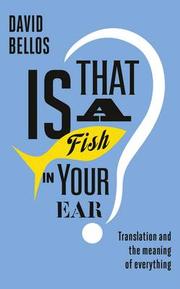
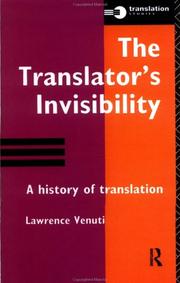
Start with Is That a Fish in Your Ear? by David Bellos, a delightful, wide-ranging exploration of what translation actually does and why it's possible at all. Then The translator's invisibility by Lawrence Venuti raises the deeper questions of fidelity, voice, and the translator's ethical choices — the intellectual grounding that separates a professional from a word-swapper.
Learn the craft
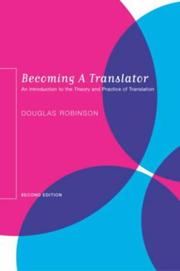
Now the working skill. Becoming a Translator by Douglas Robinson is a practical, comprehensive guide to the discipline of translating well, and In other words by Mona Baker is the standard coursebook on the concrete problems — equivalence, idiom, register — you'll solve daily. For the spoken side, Conference interpreting explained by Roderick Jones demystifies the demanding craft of real-time interpreting.
Choose a specialization
Generalists compete on price; specialists command rates. The Community Interpreter by Marjory Bancroft covers the high-demand community and public-service settings, Translation as a Profession by Anthony Pym frames how the industry works and where you fit, Legal translation explained by Enrique Alcaraz Varó opens the lucrative legal niche, and Medical Interpreting and Cross-cultural Communication by Elaine Hsieh covers the specialized, high-responsibility medical domain.
Build the freelance business
Finally, the part most linguists neglect. The Entrepreneurial Linguist by the Jenner sisters and How to Succeed as a Freelance Translator by Corinne McKay cover the unglamorous essentials — finding clients, setting rates, managing projects — that decide whether your language skill becomes a sustainable career.
Follow the path in order and you'll pair genuine craft with a real business, which is exactly what a lasting translation career requires.
Follow the full reading path →
Ready to learn something deeply?
Build a reading path — free