Almost everyone learns HTML and CSS by accident — a snippet here, a Stack Overflow answer there — and ends up fighting the browser instead of directing it. A deliberate reading order fixes this. The goal is to understand the box model, the cascade, and layout well enough that you stop guessing and start predicting.
The arc here is simple: learn to write clean, semantic markup and basic styling, then graduate to modern layout systems, and finally to responsive design that adapts gracefully to any screen.
Foundations
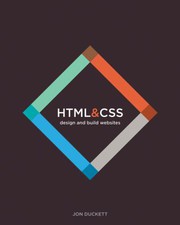
Start with HTML & CSS, the famously visual introduction that makes the fundamentals stick through diagrams rather than walls of text. Follow it with Learning web design, which zooms out to how the pieces fit into a real workflow — files, images, and the anatomy of a page. Together they give you a confident, non-magical grasp of how a browser turns your code into a screen.
Understanding CSS deeply
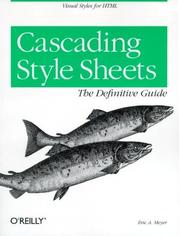
Next, go deep. CSS: The Definitive Guide is the reference that explains why the cascade, specificity, and inheritance behave as they do — the knowledge that ends most "why won't this center?" frustration. Keep The CSS pocket guide nearby as a fast lookup while the concepts settle.
Modern layout
Layout is where CSS got genuinely good. CSS Flexbox in 100 Pages teaches one-dimensional layout — rows, columns, alignment — that handles the majority of real UI work. Then Get Ready for CSS Grid Layout adds true two-dimensional control for page-level structure. Learn both and you will rarely reach for a hack again.
Responsive and polished
Finally, Responsive Web Design is the short, seminal text that reframes everything for a multi-device world: fluid grids, flexible images, and media queries. CSS3: The Missing Manual rounds things out with transitions, animations, and the polish that separates amateur pages from professional ones.
Everything else in web development sits on top of this. Whether you go on to a framework, a PHP backend, or deploying on Google Cloud Platform, the browser is the one constant, and these books make it stop being a mystery.
Follow the full reading path →
Ready to learn something deeply?
Build a reading path — free