PHP carries a lot of baggage, most of it earned in an era before namespaces, Composer, and modern tooling. The problem for learners is that the internet is full of both eras at once, so it is easy to learn bad habits alongside good ones. A careful reading order is the cure: it moves you from fundamentals to genuinely modern, professional PHP.
The plan here is to get productive with the basics and a database, then rebuild your mental model around objects, patterns, and security before touching a framework.
Get productive
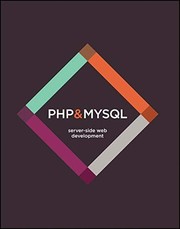
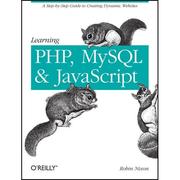
Start with PHP & MySQL, which teaches the language alongside the database it almost always works with, using the same clear visual style that makes complex ideas approachable. Reinforce it with Learning PHP, MySQL & JavaScript, a broader tour that connects PHP to the front-end and rounds out a full-stack picture. After these two you can build a working, database-backed site.
Think in objects and patterns
Now level up. PHP Objects, Patterns, and Practice is the book that turns script-writers into engineers — proper OOP, design patterns, and the tooling of professional PHP. Pair it with Modern PHP, which explicitly separates today's good practices from yesterday's bad ones. When you are ready for the current edition, PHP 8 Objects, Patterns, and Practice brings the same lessons up to the latest language features.
Security and craftsmanship
Security is not optional in a language that runs so much of the web. PHP Security: Core Concepts covers the vulnerabilities — injection, XSS, session handling — that PHP apps are famous for getting wrong. Alongside it, Clean Code is the language-agnostic classic that will improve every function you write for the rest of your career.
Frameworks and legacy
Most professional PHP today runs on a framework, and The Laravel Framework is the friendly on-ramp to the most popular one. Finally, Modernizing Legacy Applications in PHP is the book you will quietly treasure, because most PHP jobs involve inheriting old code and dragging it forward safely.
PHP rarely works alone — it often talks to a data warehouse or sits behind cloud infrastructure — but master this sequence and you will write PHP that any modern team would be glad to maintain.
Follow the full reading path →
Ready to learn something deeply?
Build a reading path — free