Horse riding is a partnership with a large, sensitive animal that reads your body better than you read its. Beginners often focus on control — reins and commands — before they understand the horse or their own balance, and the horse feels every bit of that tension. The riders who look calm and connected got there by learning to understand the animal, then to sit correctly, then to communicate through feel rather than force.
Reading in order builds that partnership from the ground up. Start by understanding horses and their care, then learn the fundamentals of balanced riding, then progress into the advanced training and classical technique that create true harmony. This sequence keeps both you and the horse safe as your skills grow.
Understand the horse first
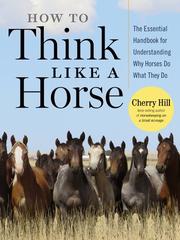
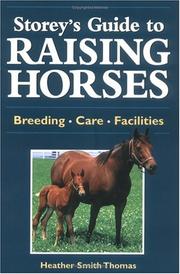
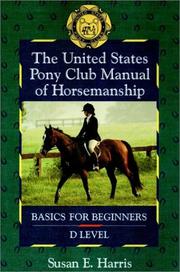
Start with How to think like a horse by Cherry Hill and The nature of horses by Stephen Budiansky, which teach how horses perceive, learn, and respond — the foundation for everything you will ask of them. Ground yourself in care with Storey's Guide to Raising Horses by Heather Smith Thomas and Horse owner's veterinary handbook by James Giffin, plus The United States Pony Club manual of horsemanship, the trusted primer on safe, well-rounded horsemanship.
Learn balanced riding
Now the riding itself. Centered riding by Sally Swift is the modern classic on using balance, awareness, and body alignment rather than force — the single most influential book for developing a secure, sympathetic seat. Ride with Your Mind Masterclass by Mary Wanless builds on the same biomechanical thinking, refining how you actually sit and move with the horse. Together they replace gripping and pulling with genuine balance.
Progress to advanced training
With a secure seat, go deeper. The Complete Training of Horse and Rider by Alois Podhajsky — from the legendary director of the Spanish Riding School — is a classical foundation for systematic training. True horsemanship through feel by Bill Dorrance teaches the subtle, feel-based communication at the heart of great riding, and Dressage in Harmony by Walter Zettl shows what a true partnership looks like at the highest level of the discipline. These reward you once your basics are solid.
Follow this order and you develop understanding and balance before technique, which is how riding becomes a conversation rather than a struggle. Read the full reading path in sequence, and learn under qualified instruction with proper safety gear. Books deepen your horsemanship; they do not replace hands-on lessons and experienced supervision around horses.
Follow the full reading path →
Ready to learn something deeply?
Build a reading path — free