Almost every beginner who quits hand-tool woodworking blames their skills, when the real culprit is dull, poorly tuned tools. A plane that tears the wood or a saw that wanders makes the craft feel impossible. That is why the correct reading order starts not with projects but with sharpening and tool setup — the invisible foundation that makes everything after it feel achievable.
Get the tools right, learn the two workhorse tools deeply, and only then take on joinery and design. Skip the foundation and you will fight the wood forever.
Sharpen and set up first
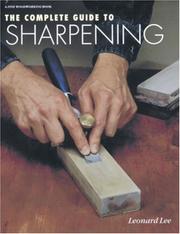
Begin with The complete guide to sharpening, the definitive treatment of getting and keeping a keen edge on every tool you own — the skill that quietly determines whether anything else works. It is the book to read before you cut a single joint. This is genuinely where most frustration lives, and solving it early changes the whole hobby.
Master the two workhorse tools
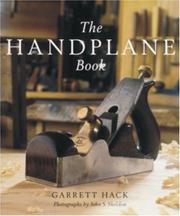
Planes and saws do the bulk of hand work, so learn them thoroughly. The Handplane Book is the encyclopedic guide to types, tuning, and use of every plane you might reach for, and it turns a mysterious tool into a reliable one. Handsaw Essentials does the same for saws — choosing, sharpening, and sawing to a line by hand. With sharp, tuned planes and saws you can already do real work.
Build a hand-tool practice
Now assemble the whole approach. The Anarchist's Tool Chest argues for a focused, high-quality kit and the mindset behind traditional hand work, a bracing read that saves you from buying junk. The Essential Woodworker is the concise classic on the core skills of accurate hand joinery — arguably the best single how-to in the field. Tage Frid Teaches Woodworking. Book 2 covers joinery from a master with clear, methodical instruction. To design and proportion your own pieces, By Hand & Eye teaches the old system of artisan geometry, and The Anarchist's Design Book applies practical design to furniture you can actually build. Finish with With the grain, a cabinetmaker's guide to understanding wood as a material, which deepens every cut you make.
Read in this order and hand-tool woodworking stops fighting you and starts rewarding you. Follow the full path from a sharp edge to furniture built entirely by hand.
Follow the full reading path →
Ready to learn something deeply?
Build a reading path — free