A ground-up car restoration is not one skill but a dozen — metalwork, mechanical rebuilding, paint, upholstery — stacked into a single long project. The people who finish are the ones who understand the whole arc before they start cutting rust, so their early decisions do not sabotage later stages. That is exactly what a good reading order gives you.
Start with the big picture, then move through the trades roughly in the order the car itself comes back together: body and rust, then drivetrain, then paint, then interior.
Plan the whole project
Begin with How to restore your collector car, the standard overview that walks through a complete restoration from disassembly to reassembly, so you grasp the sequence, the pitfalls, and the realistic scope before committing. Reading it first prevents the classic mistake of painting before the body is truly sorted.
Bodywork and rust — the hardest part
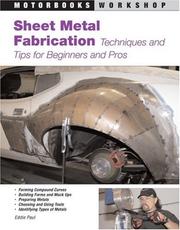
Most classic-car projects live or die on the metal. The complete guide to auto body repair covers the full range of dent, panel, and rust work, and Automotive bodywork & rust repair is the focused companion for the corrosion that plagues old cars. When rust has eaten too far to patch, you fabricate: Sheet Metal Fabrication and Ultimate Sheet Metal Fabrication Book teach you to shape and form replacement metal, the skill that lets you save a body others would scrap.
Drivetrain, paint, and interior
With the shell solid, turn to the mechanicals. How to rebuild your small-block Chevy is a detailed, widely applicable engine-rebuild manual, and How to Rebuild and Modify High-Performance Manual Transmissions covers the gearbox side. Then comes finish: How to paint your car guides you through prep, spraying, and getting a durable, even coat, while Automotive paint handbook is the deeper reference on paint chemistry and troubleshooting. Complete the car with Auto upholstery & interiors, which covers seats, panels, and trim so the inside matches the quality of the outside.
Read in this order and a restoration becomes a sequence of manageable stages instead of one overwhelming project. Follow the full path from planning to a finished, road-ready classic.
Follow the full reading path →
Ready to learn something deeply?
Build a reading path — free