Digital marketing is usually taught as a pile of disconnected skills: SEO here, ads there, email somewhere else. But the funnel is one system. Traffic you can't convert is wasted, and conversion you can't measure is guesswork. The people who succeed understand how the stages feed each other — and that understanding comes from reading them in sequence, not cherry-picking channels.
Start with the message and the story, because no amount of traffic saves weak positioning. Then layer on the channels that drive traffic, then the mechanics of turning that traffic into revenue and learning from the data. Do it in that order and every channel reinforces the last.
Start with the message
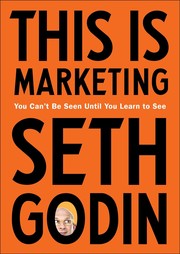
Begin with This is marketing by Seth Godin, which resets your thinking around serving a specific audience rather than shouting at everyone. Then Building A StoryBrand by Donald Miller gives you a repeatable framework for clear messaging that makes the customer the hero — the spine every channel hangs on.
Fill the funnel with traffic
Now bring in demand. Content Machine by Dan Norris shows how content marketing can build a business on a tiny budget, and The Art of Seo by Enge is the deep, durable reference for earning organic traffic. For paid, Ultimate guide to Google AdWords by Perry Marshall teaches search advertising as a disciplined, testable system, while Dotcom Secrets by Russell Brunson maps how to architect funnels that guide a visitor from click to customer.
Convert, retain, and measure
Traffic is only potential energy. Email marketing rules by Chad White covers the highest-ROI channel for turning attention into repeat revenue. Web Analytics 2.0 by Avinash Kaushik teaches you to actually measure what's working instead of guessing, and Landing Page Optimization by Tim Ash makes the science of conversion concrete. Finish with Hacking growth by Sean Ellis, which ties the whole funnel into a repeatable experiment engine — so you keep improving every stage systematically.
Read the path end to end and you'll stop thinking in channels and start thinking in systems.
Follow the full reading path →
Ready to learn something deeply?
Build a reading path — free