A grapevine planted this spring is a decision you live with for twenty years. Get the variety, site, and trellis right and the vine rewards you for decades; get them wrong and no amount of later pruning fully fixes it. That is why grape growing punishes the impatient reader and rewards a proper sequence.
Begin with the friendly, get-planted guides, move into the craft of pruning and canopy management where most of the real skill lives, and end with the reference works on varieties and vine health you will consult for years.
Get in the ground
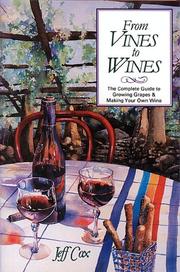
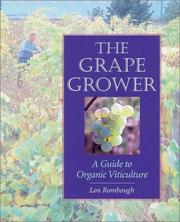
Start with From vines to wines by Jeff Cox, the classic soup-to-nuts homegrower's guide, and The Grape Grower by Lon Rombough, which is especially good on choosing varieties for your climate. Grow Your Own Vines by Piers Mayfield and The backyard vintner by Jim Law round out this stage with realistic, small-scale expectations for a first planting.
Master pruning and the canopy
This is the core. Pruning and Training by Nick Dry teaches the cuts that shape a vine's whole productive life, and Sunlight into wine by Richard Smart is the landmark text on canopy management — how leaf and fruit exposure decide quality. If you read one stage closely, make it this one; a well-pruned vine forgives many other mistakes.
Reference for the long haul
Round out the path with the works you will keep on the shelf. Wine Grapes by Jancis Robinson, Julia Harding, and José Vouillamoz is the definitive varietal encyclopedia for deciding what to grow and why. And because vines get sick, Compendium of grape diseases, disorders, and pests by Wayne Wilcox and colleagues is the diagnostic reference that helps you catch problems before they cost you a season.
Read in order and you plant wisely, prune confidently, and troubleshoot like someone who plans to be doing this a long time. Follow the full grape and vine growing path for the staged study plan.
Follow the full reading path →
Ready to learn something deeply?
Build a reading path — free