The surprise of four-season gardening is that you are not really fighting the cold — you are managing daylight and using simple covers to hold the warmth the sun still provides. Gardeners who try to jump straight to winter harvest without the timing and structures usually give up after one frozen bed. The reading order fixes that.
Start with solid all-season growing competence, then learn season extension as its own craft, and finish with the deep winter-harvest and market-grower techniques that push production into the darkest months. Each stage assumes the one before it.
Grow well in the easy months first
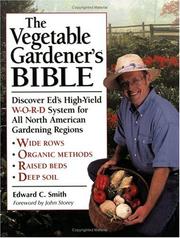
Ground yourself with The vegetable gardener's bible by Edward C. Smith, the broad reference for healthy beds and crops. Add Epic tomatoes by Craig LeHoullier as a model of really knowing one crop deeply, and The market gardener by Jean-Martin Fortier to learn the efficient, intensive spacing that season extension relies on. Competent summer growing is the prerequisite for reliable winter growing.
Extend the season
Now the pivot. Extending the Season and The year-round vegetable gardener, both by Niki Jabbour, are the friendliest, most practical guides to timing plantings and using row cover and cold frames. Gardening under cover by William Head goes deeper on the structures themselves — tunnels, frames, and the physics of trapping heat. This stage is where the calendar starts opening up.
Harvest through winter
Finally, the masters of cold-climate production. Four-Season Harvest by Eliot Coleman and Barbara Damrosch is the touchstone for eating from the garden every month, and Coleman's The Winter Harvest Handbook and The new organic grower scale those methods up with succession planting and unheated tunnels. Read closely, they show that "off-season" is mostly a habit, not a limit.
Read in order and you will move from a summer garden to a year-round one. Follow the full four-season gardening path for the staged study plan.
Follow the full reading path →
Ready to learn something deeply?
Build a reading path — free