Horror is a conversation across two centuries, and reading it in order is like watching a family tree grow. The gothic novels of the nineteenth century established the monsters and the moods; the weird and psychological tales that followed turned the fear inward; and modern horror inherited all of it, often talking directly back to its ancestors. Read chronologically and each book illuminates the next — you see Frankenstein's shadow across everything, feel the haunted house evolve from creaking castle to suburban home, and understand why the newest scares work by knowing the oldest. This path traces that lineage from origin to the present.
Gothic and Horror Literature: An Ordered Reading Path
July 14, 2026 · 2 min read
The gothic origins
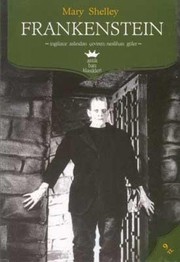
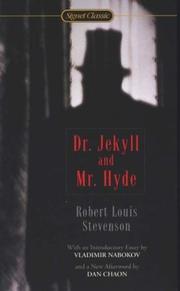
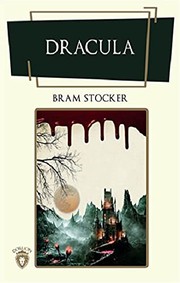
Start at the source. Frankenstein; or, The Modern Prometheus is Mary Shelley's foundational novel, the birth of science-fiction horror and a meditation on creation and responsibility. The Strange Case of Dr. Jekyll and Mr. Hyde gives you Stevenson's compact, chilling study of the divided self. And Dracula by Bram Stoker is the vampire novel that set the template for a century of imitators — atmospheric, dread-soaked, and endlessly influential. These three are the bedrock.
Terror turns inward
Next, the tradition deepens into psychology and the weird. The Tell-Tale Heart and Other Writings collects Edgar Allan Poe's tales of guilt, obsession, and madness — horror located inside the skull. The Turn of the Screw by Henry James is the perfect ambiguous ghost story, where the terror may be supernatural or entirely in the mind. And The call of Cthulhu and other weird stories by H.P. Lovecraft introduces cosmic horror — the dread of a vast, indifferent universe. Here fear stops being a monster at the door and becomes something in the air.
The modern haunted house and beyond
Now the twentieth century refines and subverts. The Haunting of Hill House by Shirley Jackson is the finest haunted-house novel ever written, a masterclass in psychological dread. Three by Ira Levin — collecting Rosemary's Baby and its companions — shows horror moving into the modern city and the everyday. And The Shining by Stephen King brings the haunted house into contemporary popular fiction with unforgettable force. These are the books that made horror the modern genre we recognize.
Contemporary dread
Close in the present. Beloved by Toni Morrison is a literary masterpiece that uses the ghost story to confront history and trauma, proving horror's serious power. And Mexican Gothic by Silvia Moreno-Garcia reinvents the gothic house for a new generation and setting, closing the loop back to the genre's roots. Reaching them last, you feel two hundred years of the form standing behind every page.
That is the lineage — origins, the inward turn, the modern house, and contemporary dread — each stage illuminating the next. Follow the full path in order and horror reveals itself as one long, unbroken haunting.
FAQ
- Do I need to read gothic classics before modern horror?
- You do not have to, but it deeply enriches the experience. Modern horror constantly echoes Frankenstein and Dracula, so reading the origins first makes contemporary books like Mexican Gothic resonate far more.
- Is horror literature actually literary?
- At its best, absolutely. Books like The Haunting of Hill House and Beloved use fear to explore trauma, guilt, and history with the depth of any serious fiction — horror is a mode, not a measure of quality.
Get the books
- 1Frankenstein; or, The Modern PrometheusAmazon ↗Mary Shelley
- 2The Strange Case of Dr. Jekyll and Mr. HydeAmazon ↗Robert Louis Stevenson
- 3DraculaAmazon ↗Bram Stoker
- 4The Tell-Tale Heart and Other WritingsAmazon ↗Edgar Allan Poe
- 5The Turn of the ScrewAmazon ↗Henry James
- 6The call of Cthulhu and other weird storiesAmazon ↗H.P. Lovecraft
As an Amazon Associate we earn from qualifying purchases. Some book links are affiliate links; you pay the same price and we may earn a small commission.
Follow the full reading path
Gothic and horror literature: an ordered reading path from the classics to modern dread
Beginner11books92 hrs4 stages
@craftsherpa♥ 0
Ready to learn something deeply?
Build a reading path — free