Ghostwriting looks like writing and is mostly listening. The manuscript is the last third of the work; the first two thirds are getting a person to tell you what actually happened, in detail, including the parts they have smoothed over in every retelling, and then reconstructing their voice convincingly enough that their friends do not notice a stranger wrote it.
That means the reading list is not a writing-craft list. It has to cover interviewing, structure, the business of finding clients who can pay, and the contract questions — authorship, credit, copyright, and payment schedules — that decide whether a project ends well. This order moves through those in the sequence a project actually does.
The job itself
Begin with Ghostwriting, Eva Shaw's practical overview of the trade: how projects originate, what clients expect, how collaborations are structured, and how to price work that may run a year. It is the orientation book — read it to find out whether you want the job before investing in the skills.
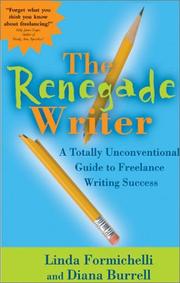
Then The renegade writer by Linda Formichelli and Diana Burrell, which is broader freelance advice but valuable here for one thing: it is realistic and unsentimental about querying, negotiating, and treating writing as a business rather than a calling. Ghostwriters who fail usually fail commercially.
Extract the story
The art of the interview is Lawrence Grobel's book on the skill that makes or breaks a ghostwritten project. Grobel spent a career on long-form celebrity interviews and writes concretely about preparation, silence as a tool, sequencing questions so the difficult ones land late, and handling a subject who is managing their own image. Nothing else on the path is as directly transferable to a client session.
The memoir project by Marion Roach Smith is short, sharp, and about the problem every life story presents: a life is not a structure. Roach Smith's method — decide what the book is about before deciding what happens in it — is the single most useful corrective for ghostwriters drowning in transcript.
Build it into a book
Storycraft, Second Edition is Jack Hart's manual on narrative nonfiction from his years editing at The Oregonian. Story theory, scene construction, point of view, and how to report the material a scene requires — it is the best technical book here on turning true material into a narrative that pulls.
The anatomy of story by John Truby comes from screenwriting and gives you a rigorous structural toolkit: character need versus desire, the moral argument of a story, and a design process that works as well on a memoir as on a script. Writing the Breakout Novel by Donald Maass is fiction-focused, so use it selectively — its chapters on stakes, tension on every page, and sustaining momentum apply directly to business and celebrity books that risk becoming a list of accomplishments.
The business end
The copyright handbook by Stephen Fishman is the reference you need before signing anything. Work-made-for-hire versus assignment, how credit and copyright can be separated, the mechanics of registration, and what a collaboration agreement should specify — all of it matters more in ghostwriting than in almost any other writing work, because by design your name may not be on the book. Read the collaboration and work-for-hire sections closely, and consult a lawyer for a specific contract.
Close with Book Yourself Solid, Michael Port's system for a service business: defining who you serve, pricing, and building a pipeline that does not depend on referrals arriving by luck. Ghostwriting is sold, not posted, and this is the most systematic book on the path about selling it.
Follow the full path in order — interview, structure, draft, contract — and you will be running projects rather than reacting to them. The Polish literature and other voice-driven paths are good places to study how distinct a written voice can be.
Follow the full ordered path here: The Best Books on Ghostwriting to Read First.