Financial analysis is one of those fields where the skills form a strict stack. You cannot value a company you cannot read, and you cannot build a model you cannot value. Beginners who jump straight to Excel templates end up producing confident-looking spreadsheets built on foundations they do not understand.
A good reading order rebuilds the stack from the bottom: learn to read financial statements, then to value a business, then to model it, and finally to perform in interviews and on the desk. These books teach analysis, not credentials — designations like the CFA and any licensing come through their own programs and exams.
Read the statements
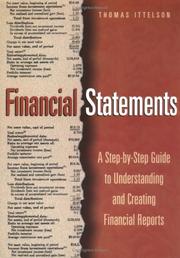
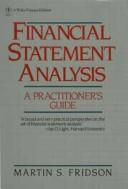
Start with Financial Statements, the friendliest possible introduction to the three statements and how they connect. Then Financial Statement Analysis teaches you to interrogate them — spotting quality of earnings, red flags, and what the numbers really say. This is the literacy everything else depends on.
Value the business
Valuation is the analyst's core judgment. The Little Book of Valuation is the accessible entry point, and Investment Valuation is the comprehensive reference from the same author for when you need depth on DCF, multiples, and cost of capital. Read alongside The Intelligent Investor for the timeless discipline of margin of safety, they turn a stream of numbers into a defensible view of what a company is worth.
Model, interview, and perform
The last layer is craft and career. Financial Modeling teaches you to build the working spreadsheets analysts live in, and Investment Banking covers the standard valuation methodologies used on real deals. To land the seat, Heard on the Street drills the quant and brainteaser questions common in interviews, and How to Be an Investment Banker rounds out expectations for the job itself.
Read in this order and finance stops being a pile of jargon and becomes a coherent way of thinking about value. Follow the full path to go from reading your first income statement to holding your own in the interview.
Follow the full reading path →
Ready to learn something deeply?
Build a reading path — free