The step from registered nurse to nurse practitioner is bigger than the extra letters suggest. It is a move from carrying out care to assessing, diagnosing, and prescribing it — a different kind of thinking, not just a higher pay grade. Read scattered clinical references and the transition feels like a hundred unrelated skills.
A good reading order mirrors that shift: understand the advanced-practice role, learn to gather and interpret patient data, master pharmacology and primary care, then handle the business and leadership realities. These are study companions to an accredited graduate program and supervised clinical hours — not a substitute for them, and not medical advice.
Understand the role
Start with Advanced Practice Nursing: An Integrative Approach, the foundational text on what the NP role is and how it differs from bedside nursing. The Nurse Practitioner in Long-Term Care adds a grounded look at one common practice setting, useful for seeing the role in action.
Assess and diagnose
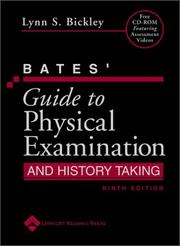
The core new skill is clinical reasoning. Bates' Guide to Physical Examination and History Taking teaches the exam techniques, and Advanced Health Assessment and Clinical Diagnosis in Primary Care pushes into interpreting findings and forming a differential. Clinical Reasoning Cases in Nursing then drills the thinking itself through realistic scenarios — the bridge from data to decision.
Prescribe, treat, and lead
Prescribing authority raises the stakes. Pharmacotherapeutics for Advanced Practice is the reference for choosing and managing medications safely, and Primary Care covers the day-to-day management of the conditions you will see most. To finish, Nurse Practitioner's Business Practice and Legal Guide handles scope, billing, and the legal realities of practice, while Leadership and Nursing Care Management prepares you for the systems and teams you will help run.
Read in this order and the leap from RN to NP becomes a series of learnable steps. Follow the full path to go from bedside expertise to confident advanced practice — within a program, never in place of one.
Follow the full reading path →
Ready to learn something deeply?
Build a reading path — free