The moment a pregnancy is announced, the advice starts: no coffee, no sushi, definitely co-sleep, never co-sleep, this stroller or you're negligent. Much of it is folklore, some of it is outdated medicine, and a surprising amount is contradicted by the underlying studies. New parents don't need more rules — they need a way to tell which rules have evidence behind them. That's a skill, and this reading order is designed to build it.
Evidence-Based Pregnancy Books, in Order: Bump to First Year
July 11, 2026 · 3 min read
Why order matters here
Read the opinionated books first and every subsequent book gets filtered through someone else's philosophy. This path starts with neutral medical references, then adds the evidence-evaluation layer, then brings in perspectives and practical playbooks once you can weigh them.
Stage 1: The medical foundation
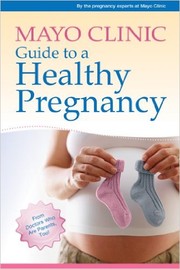
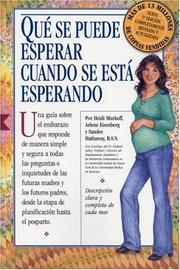
Start with Mayo Clinic Guide to a Healthy Pregnancy — the sober, comprehensive reference for what's happening week by week and which symptoms actually warrant a call. Keep What to Expect When You're Expecting by Heidi Murkoff alongside it; it's the cultural default for a reason, exhaustive and reassuring, though its cautious tone sometimes presents possibilities as probabilities. Neither replaces prenatal care — for anything concerning, talk to your doctor or midwife first.
Stage 2: Learn to read the evidence
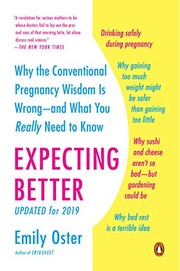
This is the heart of the path. Expecting Better by Emily Oster, an economist, walks through the actual studies behind pregnancy's famous rules — alcohol, caffeine, bed rest, deli meat — and shows where the data is strong, weak, or misread. Then Cribsheet, also by Oster, applies the same method to the first year: breastfeeding, sleep training, vaccines schedules and all. You may not accept every conclusion, and some clinicians push back on her risk framings — which is fine. The durable gift is the method: ask what the study actually measured before obeying the rule derived from it.
Stage 3: Perspectives on birth
Ina May's Guide to Childbirth by Ina May Gaskin is the classic of the natural-birth movement — vivid birth stories and a deep confidence in physiological birth. Read it as one influential perspective in a live debate about birth, not a universal prescription; it pairs deliberately with the medical framing from stage one so you can locate your own preferences between them. Birth plans are conversations with your care team, not contracts.
Stage 4: The newborn playbook
The Happiest Baby on the Block by Harvey Karp delivers the single most immediately useful skill in the whole path: the calming reflex and the five S's for soothing a crying newborn. Heading Home with Your Newborn by Laura Jana — written by pediatricians — covers the unglamorous logistics of the first weeks. Then the developing brain: Brain Rules for Baby by John Medina translates developmental science into plain practices, and The Whole-Brain Child by Daniel Siegel gives you an emotional framework that stays useful well into toddlerhood.
How to actually study this
Read stages one and two during pregnancy, stage three before your third trimester when birth preferences get real, and keep stage four for the final weeks — newborn books read best when the material is imminent. Write down the three decisions you and your partner actually disagree about, and use the evidence chapters to argue productively. And the standing caveat, worth repeating: every pregnancy is individual, and your OB or midwife outranks any book, this article included.
The complete staged sequence is the full reading path. More reading lives at the subject hub, or browse all paths.
FAQ
- What is the best evidence-based pregnancy book?
- Expecting Better by Emily Oster is the standard for evidence evaluation — it examines the studies behind common pregnancy rules. Pair it with a medical reference like the Mayo Clinic guide.
- When should I start reading baby books during pregnancy?
- Read pregnancy and evidence books early, birth-preference books by the second trimester, and newborn-care books in the final weeks so the material is fresh when you need it.
- Do parenting books replace advice from my doctor?
- No. Books help you ask better questions and understand trade-offs, but your OB, midwife, or pediatrician should guide decisions about your specific pregnancy and baby.
Get the books
- 1Mayo Clinic Guide to a Healthy PregnancyAmazon ↗Mayo Clinic
- 2What to expect when you're expectingAmazon ↗Heidi Murkoff
- 3Expecting betterAmazon ↗Emily Oster
- 4CribsheetAmazon ↗Emily Oster
- 5Ina May's Guide to ChildbirthAmazon ↗Ina May Gaskin
- 6The Happiest Baby on the BlockAmazon ↗Harvey Karp
As an Amazon Associate we earn from qualifying purchases. Some book links are affiliate links; you pay the same price and we may earn a small commission.
Follow the full reading path
Pregnancy to first birthday, evidence-based
Beginner9books69 hrs4 stages
@wellsherpa♥ 0
Ready to learn something deeply?
Build a reading path — free