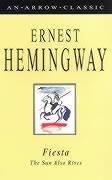
Start with The Sun Also Rises. It is his first real novel, it is short, and it is the book in which the famous style is doing genuine work rather than performing itself — a group of expatriates drift from Paris to the bullfights at Pamplona, almost nothing is explained, and the entire emotional situation is conveyed by what the characters decline to say. If the method works on you here, it will work everywhere.
If it does not, the alternative worth trying before giving up is The Nick Adams Stories. Hemingway was probably a better short-story writer than novelist, and this collection follows one recurring character from boyhood in Michigan through the war and after. Big Two-Hearted River, the long fishing story that closes the sequence, is a man doing camp chores for twenty pages with the war never once mentioned, and it is the single clearest demonstration of what the style is for.
The novels, in order
The Sun Also Rises, then A Farewell to Arms, then For Whom the Bell Tolls, then The Old Man and the Sea. That is publication order and there is no competing arrangement.
A Farewell to Arms is the Italian front and a love affair, and it contains his most famous set pieces — the retreat from Caporetto is superb. Its dialogue between the lovers has aged less well than the war writing, which is a common and fair complaint.
For Whom the Bell Tolls is the longest and the most conventionally novelistic: a demolition operation over three days in the Spanish Civil War. It is also the most uneven. The bridge plot is taut, and the long interior passages and the attempts at archaic Spanish diction slow the middle considerably. Many readers rate it his best; many find it his baggiest. Both are defensible.
The Old Man and the Sea is a hundred pages, it won the Pulitzer, and it prompted the Nobel citation. It is also the most contested book in the list — read as a perfect distillation by some and as self-parody by others, the style having hardened into mannerism. Read it and decide; it takes an afternoon.
The stories, which you should not skip
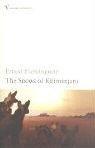
The Nick Adams Stories and The Snows of Kilimanjaro and Other Stories between them contain the best writing he did. The second collection holds the title story and The Short Happy Life of Francis Macomber, both of which are as good as American short fiction gets, and both of which contain attitudes to race, colonial Africa and marriage that most readers today will find dated at best. Reading them without flinching from that is part of reading Hemingway honestly.
The nonfiction
Death in the afternoon is his book about bullfighting, and it needs a warning. It is genuinely the best explanation in English of what the corrida is and why anyone watches it, and it also contains long technical digressions on breeding, capes and specific matadors that are of limited interest unless you care about the subject. Skim freely; the chapters on writing and death embedded in it are the reason to own it.
A Moveable Feast is his Paris memoir and the most charming thing he wrote, full of Gertrude Stein, Ezra Pound and a famously unkind portrait of F. Scott Fitzgerald. Two honest caveats: it was assembled and published after his death, and a later restored edition rearranged the material substantially, so which version you read changes the book somewhat; and its accounts of other writers are settling of scores as much as reportage.
Where to stop
Stop after the four novels, the two story collections and A Moveable Feast. The posthumous novels — Islands in the Stream, The Garden of Eden, True at First Light — were edited into shape by other hands from unfinished drafts, and none of them is the book Hemingway would have published. They are for people who have read everything else. Readers who want the other pole of American prose in the same period usually go to William Faulkner next.
Follow the full ordered path here: Ernest Hemingway Reading Order: Where to Start.