Encaustic is paint made from beeswax, damar resin and pigment, applied hot and fused with heat after every layer. It is unusually forgiving — you can rework a passage indefinitely by reheating it — and unusually unforgiving about two things: substrate and temperature. Wax needs an absorbent, rigid support, so canvas will eventually crack and shed. And wax overheated past roughly 200 degrees Fahrenheit begins to release fumes you should not be breathing.
That is why this reading order pairs technique with safety rather than treating safety as an appendix. Get the core manual first, then the project books that build fluency, then the two references that keep your studio survivable.
The technical foundation
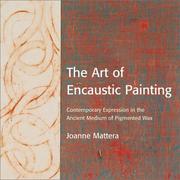
Start with The Art of Encaustic Painting by Joanne Mattera. It is the standard reference: the medium's chemistry, how to make or buy paint, temperature control, substrate preparation, fusing methods, and the full range of surface techniques from scraping and incising to collage and image transfer. Mattera also surveys contemporary artists working in wax, which is genuinely useful for seeing what the medium can do beyond textured abstraction.
Read the fusing chapters twice. Fusing — reheating each layer so it bonds to the one below — is the operation that determines whether a painting holds together in five years, and it is the step beginners rush.
Build fluency with project books
Then Encaustic art by Michael Bossom, which comes from the iron-and-stylus tradition of encaustic and is strong on the immediate, gestural end of the medium. It is a good counterweight to Mattera's studio-painting orientation and will get you making things quickly.
Encaustic Workshop by Patricia Baldwin Seggebruch is the project-led book: specific exercises, mixed-media combinations, and a clear demonstration of how wax behaves with photographs, papers and other media embedded in it. Embracing Encaustic by Linda Womack covers similar ground with more emphasis on the beginner's setup — what to buy, how to arrange a working surface, how to keep a griddle at temperature.
If you only want one of these three, take Seggebruch for structured practice or Womack for setup guidance; they overlap substantially, so buying all three is unnecessary early on.
Extend into mixed media
The complete guide to altered imagery by Karen Michel is not an encaustic book, and that is why it earns its place. Wax is a superb medium for embedding and transferring images, and Michel's coverage of altered photographs, transfers and layered paper work gives you a vocabulary of image-making to bring into the wax. Take her techniques and adapt them to a hot surface.
Keep the studio safe
Two books belong on this path permanently rather than as a one-time read. Making Art Safely by Merle Spandorfer, Deborah Curtiss and Jack Snyder covers the health hazards of art materials across media, written accessibly for working artists. The artist's complete health and safety guide by Monona Rossol is the more comprehensive reference, from an industrial hygienist who has spent a career on exactly this — ventilation requirements, respirator selection, pigment toxicity and how to read a safety data sheet.
For encaustic specifically, the practical implications are concrete: work below 200 degrees, ventilate actively rather than opening a window, be careful with cadmium and cobalt pigments, and treat a heat gun near molten wax as the fire risk it is. Neither book substitutes for occupational health advice if you develop symptoms.
Related surface-craft reading sits in the sign painting hub.
Read them in this order and you will build a practice that lasts longer than your first enthusiasm.
Follow the full ordered path here: How to Learn Encaustic Painting From Books, in Order.