Eastern philosophy is not one thing but several vast traditions, Hindu, Buddhist, Taoist, and Confucian, developed over millennia across India and China. Dive straight into a primary text without context and you can lose your bearings. Reading a good survey first, then the classics tradition by tradition, keeps the map in view while you explore the terrain.
The path opens with overviews, moves through the Indian sources, then the Chinese classics, and ends with synthesis.
Getting oriented
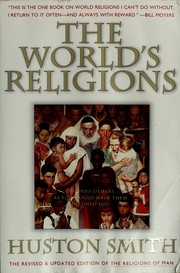
Start with The World's Religions by Huston Smith, whose sympathetic chapters on Hinduism, Buddhism, Confucianism, and Taoism are a superb doorway. Eastern Philosophy - The Greatest Thinkers and Sages From Ancient to Modern Times by Kevin Burns then gives a clear, structured overview of the thinkers and schools, so you know the landscape before reading any single source deeply.
The Indian sources
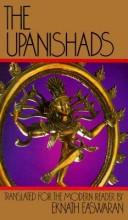
Begin the primary reading in India. The Upanishads, in Eknath Easwaran's accessible translation, are the foundational texts of Hindu philosophy on the self and ultimate reality, and The Bhagavad Gita, also translated by Easwaran, is its most beloved single work on duty and devotion. For Buddhism, In the Buddha's words by Bhikkhu Bodhi is a well-organized anthology of the early teachings, and The heart of the Buddha's teaching by Thich Nhat Hanh explains the core ideas with warmth and clarity.
The Chinese classics and synthesis
Turn next to China. Tao te Ching, attributed to Laozi, is the brief, luminous root text of Taoism, and The complete Analects of Confucius gathers the sayings that shaped East Asian ethics and society. Zen Teaching of Huang Po presents a bracing Chan Buddhist master, and Zhuangzi: The Essential Writings offers Taoism's playful, profound counterpoint to Confucian order. To pull it together, A History of Eastern Philosophy by P. T. Raju surveys the whole field, and The Tao of Physics by Fritjof Capra closes the path with a famous, debated attempt to connect Eastern thought and modern science.
Read in this order and the great traditions come into focus as distinct yet conversant. Follow the full path to read them thoughtfully.
Follow the full reading path →
Ready to learn something deeply?
Build a reading path — free