Scottish history is too often flattened into a subplot of England's, or into tartan romance. Read that way, the real story — of independence won and lost, a union debated to this day, a Highland society dismantled — never comes into focus. The remedy is to read Scotland on its own terms and in order, from the sweep down to the decisive episodes.
The path below starts with overviews, moves through the wars of independence and the Union, then into the Clearances and the making of the modern nation.
The whole story
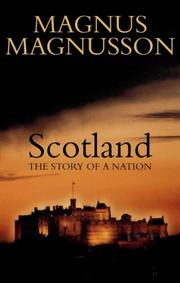
Start with Scotland by Magnus Magnusson, a warm and authoritative single-volume history that carries you from prehistory to devolution. The story of Scotland by Nigel Tranter offers a novelist-historian's readable narrative of the same span, and The Scottish Nation: A History of the Scots by Michael Lynch provides the more analytical scholarly overview to anchor the details.
Independence and Union
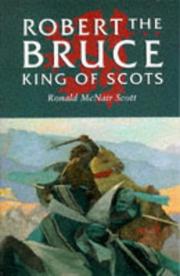
Next, the two great turning points. Robert the Bruce, King of Scots by Ronald McNair Scott tells the story of the wars of independence and the king who secured them. The Union of 1707 by Paul Henderson Scott examines the controversial merger with England that still frames Scottish politics. Culloden by John Prebble is the vivid, unforgettable account of the 1746 battle that ended the Jacobite cause and the old Highland order.
Clearance and modernity
The final arc is transformation and its costs. The Highland clearances, also by Prebble, chronicles the removal of Highlanders from their land, one of the most painful chapters in the nation's past. How the Scots invented the Modern World by Arthur Herman makes the bold case for the Scottish Enlightenment's outsized influence. The Scottish nation, 1700-2000 by T. M. Devine is the magisterial modern history of these centuries, and Scotland, the autobiography by Rosemary Goring lets Scots across the ages tell the story in their own words.
Read in this order and Scotland emerges as a nation with its own arc, not a footnote to its neighbor. Follow the full path from Bruce to devolution.
Follow the full reading path →
Ready to learn something deeply?
Build a reading path — free