Start with A Wizard of Earthsea. It is the first book, it is under two hundred pages, and it is a complete story: a gifted, arrogant boy at a wizards' school looses something into the world and spends the rest of the novel learning what it is. It is also one of the very few fantasy novels that gains rather than loses from being short — Le Guin's prose here is compressed almost to the point of myth, and nothing is padded.
Publication order is correct for Earthsea, and unusually there is no serious chronological alternative on offer. The books move forward in time with the same characters, and each was written to follow the one before. The only real question is what happens at book four, which is a different question from ordering.
The original trilogy
A Wizard of Earthsea, then The Tombs of Atuan, then The Farthest Shore. Read them in that order and read all three; they were written between 1968 and 1972 and form a genuine unit.
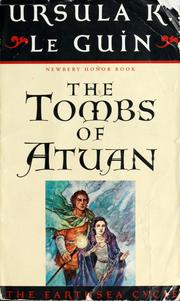
The Tombs of Atuan surprises people. It largely abandons the first book's protagonist for a young priestess in an underground labyrinth, and it is claustrophobic, slow and almost entirely interior. Readers expecting more voyaging sometimes find it a strange second course. It is also, on most rereads, the best-made book of the three.
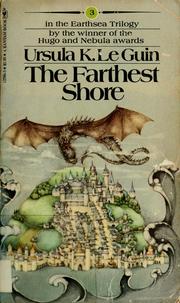
The Farthest Shore is the weakest of the trilogy by common consent — an elegiac quest across the sea about magic draining out of the world, with a slack middle stretch. It matters for what it does to Ged, and it sets up everything after.
Tehanu, and what actually changed
Tehanu (The Earthsea Cycle, Book 4) arrived in 1990, eighteen years after the trilogy ended, and it is a different kind of book by design. It stays on one island, it is domestic rather than heroic, it is concerned with an abused child and a middle-aged widow, and it deliberately re-examines the wizardly, male, celibate power structure the first three books took as given. Le Guin was explicit that she had come to see the earlier Earthsea as limited in this respect.
Be honest about the effect: some readers regard Tehanu as the finest book in the series and the one that gives it moral weight. Others, particularly those who came for the trilogy's mythic adventure, find it quiet, angry and a repudiation of what they loved. Both reactions are common. It is not optional if you want the series to have an ending, because the last two books proceed directly from it.
The last two, and one ordering note
Read Tales from Earthsea before The Other Wind. This is worth stating because the list below runs the other way. Tales from Earthsea is a collection of stories plus a substantial essay on the history and languages of the archipelago, and its final story, Dragonfly, introduces a character and a situation that The Other Wind picks up directly. Reading them in the reverse order does not ruin anything, but it spoils a reveal and makes the last novel feel less earned.
The Other Wind closes the cycle, resolving the question of the land of the dead that has hung over the books since The Farthest Shore. It is short, elegiac and satisfying, and it depends on everything before it.
Where to stop
If you want the classic fantasy sequence and nothing else, stop after The Farthest Shore — the trilogy has a real ending and stands as a whole. If you want the work Le Guin actually thought she had made, read all six. There is no good case for stopping at Tehanu, which raises questions the final two books exist to answer.
The whole cycle is about 1,200 pages, which is short for a fantasy series and does not read like a series at all — more like six related books by a writer who kept thinking about the same islands for thirty years. Other ordered lists are on Discover.
Follow the full ordered path here: Earthsea Reading Order: Where to Start.