Dystopian fiction is really one long argument about how societies go wrong — through pleasure or through fear, through technology or through collapse. Read the books at random and each feels like a standalone nightmare. Read them in order and you hear them answering one another across a hundred years.
This path moves roughly chronologically and thematically: the twin founding visions first, then the mid-century warnings that widened the genre, then the modern novels that turned it toward gender, climate, and memory. Each stage reframes what a dystopia can be about.
The founding visions
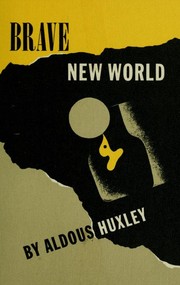
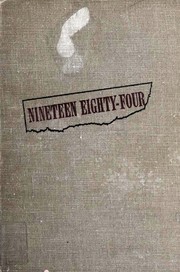
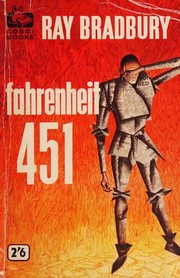
Start with the two poles of the genre. Brave New World by Aldous Huxley imagines control through engineered pleasure and consumption, while Nineteen Eighty-Four by George Orwell imagines control through surveillance and fear. Reading them back to back sets up every debate that follows. Then Fahrenheit 451 by Ray Bradbury adds the third great warning — a society that burns books and numbs itself with screens — completing the classic triad.
Mid-century warnings
The genre widened as new anxieties arrived. The Handmaid's Tale by Margaret Atwood turns dystopia toward gender and theocracy with chilling plausibility. Lord of the Flies by William Golding strips civilization to children on an island to ask whether the darkness is in the system or in us. We by Yevgeny Zamyatin, the Russian novel that predates and influenced Orwell, deserves its place as a root of the whole tradition, and A Clockwork Orange by Anthony Burgess probes free will and state conditioning in invented slang.
The modern turn
Recent dystopias reshaped the form. The Road by Cormac McCarthy reduces it to a father and son after collapse, pure and devastating. Never Let Me Go by Kazuo Ishiguro hides its horror inside a quiet, humane story. The Power by Naomi Alderman flips the premise by asking what happens when women gain the upper hand, and Station Eleven by Emily St. John Mandel finds unexpected hope and art in the aftermath of pandemic. Together they show the genre still evolving.
Read in this order and dystopian fiction becomes a coherent conversation rather than a shelf of separate warnings. Follow the full path to trace how the genre keeps reinventing its fears.
Follow the full reading path →
Ready to learn something deeply?
Build a reading path — free