Dollhouse miniatures look like a single hobby but are really a dozen crafts practiced at one-twelfth size — carpentry, upholstery, ceramics, metalwork, painting and embroidery, each with its own scale problems. A chair leg turned at full size and simply shrunk looks wrong, because material thickness, fabric weave and wood grain do not scale down with the dimensions. Learning that principle early saves years of pieces that are technically accurate and visually off.
The reading order here is short. Understand the house and the tradition first, then general making technique across materials, then one demanding specialism that teaches the fine-scale discipline everything else needs.
Understand the object before you furnish it
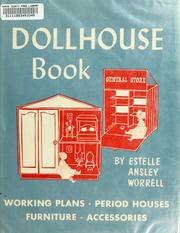
Start with The dollhouse book by Estelle Ansley Worrell. It grounds you in what a dollhouse actually is — a documented tradition running from seventeenth-century cabinet houses built as adult display pieces through Victorian children's houses to the modern hobby — and covers building and furnishing at a level a beginner can follow. Reading the history first changes your ambitions, because the great historic houses were furnished as accurate records of their period rather than as generic doll furniture.
It also settles scale early. One-twelfth is the dominant standard, with half-scale and quarter-scale used for smaller display, and committing to one before you buy anything prevents an expensive drawer of mismatched pieces.
Learn to make across materials
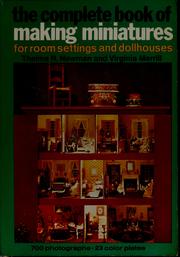
Then work through The complete book of making miniatures by Thelma R. Newman. This is the technique volume — working in wood, clay, metal, paper and fabric at small scale, with the material-specific tricks that make results convincing. Newman is good on the thing beginners underestimate: at one-twelfth, visible thickness is the enemy, so seam allowances, veneer choices and fabric weight matter more than the shape you are copying.
Use it as a workshop reference rather than a cover-to-cover read. Pick a room, find the relevant chapters, and make the pieces that room needs. Skill in miniatures accumulates by completed object, not by pages read.
A practical note on sequencing your own work: build the shell, wire any lighting, and finish the floors and walls before you make a single piece of furniture. Retrofitting lighting into a decorated room means lifting flooring you spent a weekend laying, and most people learn this the expensive way. Newman's chapters on room boxes are the place to plan that order out.
The specialism that sharpens everything
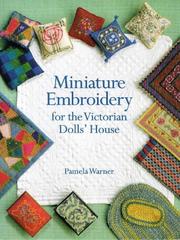
Finish with Miniature embroidery for the Victorian dolls' house by Pamela Warner. Working embroidery at this scale means silk gauze at forty or more threads to the inch, one strand of floss, and stitches you place with a magnifier — carpets, firescreens, samplers and bed hangings that read correctly from a foot away.
It belongs last because it is the most demanding and the most transferable. The discipline it teaches — matching stitch density and thread weight to scale rather than to what looks right in your hand — is precisely the discipline that makes miniature woodwork and upholstery convincing too. Warner's period designs are also genuinely researched, so the pieces suit a Victorian house rather than merely being small.
If you want to widen into related textile crafts, the tapestry weaving hub covers a scale-and-tension problem with a lot in common.
Three books, one finished room, and the hobby will have taught you more than any of them.
Follow the full ordered path here: The Best Dollhouse Miniature Books to Read First.