Start with Guards! Guards!. It is the eighth Discworld novel published and the right first one to read: a self-contained story about a broken-down night watch, a dragon and a city that runs on cheerful corruption, written after Pratchett had stopped parodying fantasy and started using it. It needs no prior knowledge whatsoever, and it introduces Sam Vimes, who anchors the strongest run of books in the series.
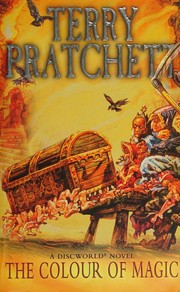
Do not start with The Colour of Magic, even though it is first. It is a sequence of loosely joined parodies of 1970s fantasy novels most modern readers have never read, the jokes are broader, the world is not yet the world, and Pratchett himself was fairly blunt about its limitations. Starting there is the single most common reason people conclude Discworld is not for them.
How the series is actually shaped
Discworld is not a serial. It is roughly forty-one novels sharing a setting, grouped into loose sub-series that each follow their own characters in their own order. You pick a sub-series, read it in sequence, and cross over when a cameo makes you curious. Nothing is spoiled by reading the Watch books before the Witches books or vice versa.
The City Watch — read this one first
Guards! Guards!, then Men at Arms, then Feet of Clay, then Night Watch. This is the strongest sequence in Discworld and the one that develops most: it starts as a comic fantasy about incompetent guards and becomes, over four books, a serious argument about policing, class and what a city owes its people. Night Watch is the best novel Pratchett wrote and it depends entirely on knowing Vimes first — do not read it early. The path below skips a couple of intervening Watch books, notably Jingo and The Fifth Elephant; read them if you want the full arc, but the four listed carry the story.
The Witches — the other great entry point
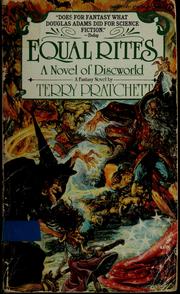
Equal Rites, Wyrd Sisters, Witches Abroad. Equal Rites is early and a little rough, and honestly you can start this strand at Wyrd Sisters without losing anything — that is where Granny Weatherwax becomes herself and where the Macbeth-shaped plot gives the strand its shape. Witches Abroad takes the same trio to a fairytale city and is the funniest of the three. Granny Weatherwax is, by common consent among long-time readers, the best character in the series.
Death
Mort and Reaper Man. Mort is where Death acquires an apprentice and the series acquires its most reliable comic voice; Reaper Man is where a forcibly retired Death goes to work on a farm and it turns into something quietly devastating. Both are short and both work as standalones.
The standalone worth prioritising
Small Gods is the one to reach for if you want a single Discworld novel that is not part of any strand. It is about a god reduced to a tortoise and the last believer he has left, and it is the most serious book in the series about belief, cruelty and institutions. Many readers rate it the best thing Pratchett wrote. It requires nothing.
Rincewind, and the reference book
The Colour of Magic and The Light Fantastic are a single story split in two and are best read together, late, once you already like the world enough to be curious how it started. The Discworld companion is an A-to-Z reference to the setting rather than a novel; it is a pleasant thing to own after twenty books and a waste of time before then.
What this path leaves out
Plenty. The Tiffany Aching books, which are technically for younger readers and are among the very best; the Moist von Lipwig run beginning with Going Postal, which is the most purely entertaining stretch of the series; Thief of Time; Hogfather. Their absence is a catalogue gap. Once the sub-series above have you, follow whichever thread you like — that has always been the correct way to read Discworld. More lists to work through are over on Discover.
Follow the full ordered path here: Discworld Reading Order: Where to Start and What Comes Next.