Become a dental hygienist: the best books to start the career
This curriculum takes a complete beginner from a broad understanding of oral health and the dental hygienist's role, through the science and clinical skills required in school, and finally into the board exam preparation and real-world professional practice that define a working career. Each stage builds the vocabulary, science, and clinical intuition needed to absorb the next, mirroring the natural progression of an accredited dental hygiene program.
Foundations: The Profession & Oral Health Basics
BeginnerUnderstand what dental hygienists actually do, what the career path looks like, and develop a foundational grasp of oral anatomy and health before entering any technical coursework.
▸ Study plan for this stage
Pace: 4–5 weeks, ~40–50 pages/day (focusing on Parts 1–2 of Darby's text covering professional roles, oral anatomy, and disease processes)
- The scope of practice and professional responsibilities of dental hygienists across clinical and public health settings
- Oral anatomy: tooth structure, periodontium, and oral tissues relevant to hygiene assessment and intervention
- The etiology and progression of dental caries and periodontal disease, and how they relate to hygienist prevention strategies
- The role of biofilm in oral disease and the scientific basis for plaque control
- Oral health assessment fundamentals: how to recognize signs of health versus disease in the mouth
- The dental hygiene process of care as a systematic framework for patient evaluation, planning, and treatment
- Professional ethics, legal scope, and collaborative relationships within the dental team
- What are the primary roles and responsibilities of a dental hygienist in clinical practice, and how do they differ across settings (private practice, public health, hospital)?
- Describe the anatomy of a tooth and the periodontium, including the tissues that a hygienist must assess and maintain.
- Explain the etiology of caries and periodontal disease, and identify the key factors (biofilm, diet, host response) that hygienists target in prevention.
- What is the dental hygiene process of care, and how does it guide clinical decision-making from assessment through evaluation?
- How do you differentiate between clinical signs of oral health and early disease in the soft tissues and hard tissues of the mouth?
- What are the legal and ethical boundaries of dental hygiene practice, and how does the hygienist work collaboratively with the dentist?
- Create a detailed labeled diagram of tooth anatomy (crown, root, pulp, dentin, enamel) and the periodontium (gingiva, periodontal ligament, cementum, alveolar bone) from memory, then compare it to textbook illustrations.
- Write a 1–2 page reflection on a dental hygienist's typical day across three different practice settings (clinical private practice, public health clinic, hospital); identify the overlapping and unique responsibilities.
- Develop a case study: given a patient presentation (e.g., visible plaque, bleeding gingiva, early caries lesion), walk through the dental hygiene process of care from assessment to proposed intervention.
- Create a flowchart showing how biofilm formation leads to caries and periodontal disease, labeling the stages and identifying where hygiene interventions interrupt the process.
- Interview or shadow a practicing dental hygienist (in person or via video call) and document their daily tasks, the anatomy/disease concepts they reference, and how they explain oral health to patients.
- Compile a visual glossary of 20–25 key anatomical terms and disease-related vocabulary from the text with sketches or images, organized by system (hard tissues, soft tissues, disease processes).
Next up: This stage establishes the professional identity, anatomical literacy, and disease-prevention mindset that are essential before moving into technical skills—the next stage will build on this foundation by teaching the specific clinical procedures (scaling, polishing, fluoride application) and assessment techniques that hygienists use to implement the care plan outlined here.
The field's most widely adopted comprehensive textbook, it opens with a full portrait of the profession — history, scope of practice, ethics, and career pathways — making it the ideal first read for anyone exploring the field.
Before any clinical skill makes sense, a hygienist must know the structures of the head and neck. This approachable, illustration-rich text builds that essential anatomical vocabulary right after the career overview.
Core Sciences: Microbiology, Pathology & Pharmacology
BeginnerGain the biomedical science knowledge — disease processes, oral pathology, microbiology, and drug interactions — that underpins every clinical decision a dental hygienist makes.
▸ Study plan for this stage
Pace: 8–10 weeks, ~40–50 pages/day (approximately 3–4 hours of focused study daily). Start with Lamont's microbiology (3 weeks), move to Ibsen's pathology (3 weeks), then Yagiela's pharmacology (2–3 weeks). Build in 1 week for review and integration across all three texts.
- Oral microbiota composition, biofilm formation, and the role of specific pathogens (Streptococcus mutans, Porphyromonas gingivalis, Candida) in caries and periodontal disease
- Innate and adaptive immune responses in the oral cavity, including saliva's antimicrobial properties and the role of IgA
- Histopathology of common oral lesions: caries, gingivitis, periodontitis, candidiasis, and oral cancer precursors
- Inflammatory and neoplastic disease processes: how normal tissue becomes diseased and progresses through stages
- Pharmacokinetics and pharmacodynamics: absorption, distribution, metabolism, and excretion of drugs in the oral/systemic context
- Drug interactions, contraindications, and adverse effects relevant to dental hygiene practice and patient safety
- Antimicrobial agents used in dentistry: mechanism of action, spectrum, and clinical application (chlorhexidine, fluoride, antibiotics)
- How microbiology, pathology, and pharmacology integrate to inform clinical decision-making in patient assessment, treatment planning, and therapeutic recommendations
- What is the composition of the healthy oral microbiota, and how does dysbiosis lead to caries and periodontal disease? Name at least three key pathogens and their virulence factors.
- Describe the innate and adaptive immune defenses in the oral cavity. How do they prevent infection, and what happens when they fail?
- What are the histological stages of caries development and periodontal disease progression? How do you recognize early vs. advanced lesions?
- Explain the difference between gingivitis and periodontitis in terms of tissue involvement and reversibility. What does the histology reveal?
- How do pharmacokinetics (absorption, distribution, metabolism, excretion) affect the efficacy and safety of drugs used in dental hygiene?
- What are the major drug interactions and contraindications a dental hygienist must know? Give examples relevant to common patient medications.
- How do antimicrobial agents (e.g., chlorhexidine, fluoride, antibiotics) work at the molecular level, and when is each indicated?
- How would you integrate knowledge of oral microbiology, pathology, and pharmacology to counsel a patient with early periodontitis on prevention and treatment options?
- Create a detailed concept map linking the oral microbiota (from Lamont) to biofilm-mediated disease (from Ibsen) to antimicrobial drug selection (from Yagiela).
- Examine histological slides or images of caries, gingivitis, periodontitis, and candidiasis (from Ibsen); for each, identify the tissue layers involved and explain the underlying microbiology.
- Build a pharmacokinetic profile chart for 5–6 drugs commonly used in dental hygiene (e.g., chlorhexidine, fluoride, local anesthetics, antibiotics): list absorption route, half-life, metabolism, excretion, and clinical implications.
- Case study analysis: Given a patient with moderate periodontitis, use Lamont's microbiology and Ibsen's pathology to explain the disease process, then use Yagiela's pharmacology to justify antimicrobial and therapeutic recommendations.
- Conduct a literature search (using PubMed or your institution's database) on one oral pathogen (e.g., P. gingivalis) and summarize its virulence mechanisms, immune evasion, and evidence-based antimicrobial treatments.
- Create a patient education handout explaining how oral microbes cause disease (Lamont), what happens in the tissues (Ibsen), and why a specific antimicrobial or medication is recommended (Yagiela); use plain language and visuals.
Next up: This stage equips you with the scientific rationale behind every clinical intervention—understanding disease at the microbial, tissue, and pharmacological level—so you can move into the next stage (clinical assessment and treatment planning) with the confidence to make informed, evidence-based decisions and communicate them to patients.
Periodontal disease and caries are microbial diseases; this text explains the organisms and immune responses involved, giving the learner a science-based understanding of why hygiene procedures matter.
Builds directly on microbiology by showing how disease manifests in oral tissues, training the reader to recognize lesions and abnormalities — a core clinical competency.
Dental hygienists must understand medications their patients take and the drugs used in the office (anesthetics, antimicrobials). This canonical text is read here, after pathology, so drug actions connect to known disease contexts.
Clinical Skills: Periodontology, Radiography & Patient Care
IntermediateMaster the hands-on clinical knowledge — periodontal assessment, scaling and root planing, dental radiography, and patient management — that forms the daily work of a dental hygienist.
▸ Study plan for this stage
Pace: 8–10 weeks, ~40–50 pages/day (mix of dense clinical text and practical application). Allocate 3–4 weeks to Wilkins, 2–3 weeks to Iannucci Haring, and 3–4 weeks to Carranza, with 1–2 weeks for integrated review and case studies.
- Periodontal assessment techniques: probing depths, bleeding indices, attachment loss, and clinical documentation standards from Wilkins
- Scaling and root planing instrumentation: hand instruments, ultrasonic techniques, stroke mechanics, and tissue adaptation covered in Wilkins
- Dental radiography fundamentals: X-ray physics, technique principles, positioning, and image interpretation from Iannucci Haring
- Radiographic anatomy and pathology recognition: identifying normal structures and periodontal disease radiographically per Iannucci Haring
- Periodontal disease classification and etiology: understanding gingivitis, periodontitis, and risk factors from Carranza
- Advanced periodontal treatment protocols: surgical and non-surgical therapy, maintenance, and evidence-based decision-making from Carranza
- Patient communication and behavior management: informed consent, motivation, and compliance strategies across all three texts
- Infection control and safety protocols: cross-contamination prevention and occupational hazards specific to clinical hygiene work
- What are the clinical indicators of periodontal health versus disease, and how do you document probing depths and bleeding indices accurately?
- Describe the correct stroke mechanics, instrument selection, and tissue adaptation for scaling and root planing in different areas of the mouth.
- Explain the principles of dental radiography: how X-rays are generated, what factors affect image quality, and how to position patients for different radiographic views.
- How do you interpret periapical, bitewings, and panoramic radiographs to identify normal anatomy, bone loss patterns, and signs of periodontal disease?
- What is the classification system for periodontal diseases in Carranza, and what are the key differences between aggressive and chronic periodontitis?
- Outline a comprehensive non-surgical periodontal treatment plan, including assessment, instrumentation, patient education, and maintenance intervals.
- Complete all clinical skill demonstrations in Wilkins: practice probing technique on typodont models, calibrate your probing pressure, and document findings in a mock patient chart.
- Perform scaling and root planing on extracted teeth or simulation models, focusing on proper instrument grasp, stroke direction, and subgingival adaptation; video-record yourself and self-critique.
- Work through all radiographic positioning exercises in Iannucci Haring: set up a manikin head, take periapical and bitewing radiographs, and adjust technique based on image results.
- Interpret 20–30 radiographic cases from Iannucci Haring and Carranza: identify bone loss, furcation involvement, calculus, and other pathology; compare your interpretations with provided answers.
- Develop detailed patient case studies from Carranza: assess periodontal status, create a treatment plan, select instruments, and write post-treatment notes for 3–5 realistic scenarios.
- Conduct peer teaching: explain periodontal assessment and radiographic findings to a study partner, then reverse roles; use Wilkins and Carranza as reference guides.
Next up: This stage equips you with the clinical foundation and diagnostic skills to recognize and treat periodontal disease, preparing you to advance to specialized topics such as advanced periodontal therapies, implant care, or expanded clinical responsibilities in your next stage.
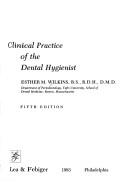
Known simply as 'Wilkins,' this is the single most iconic clinical reference in the profession, covering instrumentation, periodontal charting, patient education, and every major hygiene procedure in authoritative detail.

Radiographic interpretation is a licensure requirement and a daily clinical task; this leading text is read after Wilkins so the learner can immediately connect imaging findings to the clinical picture already established.
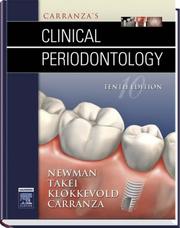
Periodontal health is the core of dental hygiene practice. Carranza's is the definitive periodontology reference, deepening understanding of disease classification, treatment planning, and maintenance beyond what introductory texts cover.
Licensure & Board Exam Preparation
IntermediatePrepare systematically for the National Board Dental Hygiene Examination (NBDHE) and understand the licensure process, so the learner can pass boards and enter practice with confidence.
The most widely used NBDHE review book, it consolidates all prior learning into exam-format questions and content outlines, directly mapping to the board exam blueprint.
Complements Mosby's with additional case-based component questions and rationales, reinforcing the critical thinking style required by the modern NBDHE format.
Professional Practice: Ethics, Law & Career Development
ExpertTransition from student to professional by understanding dental law, ethics, office dynamics, infection control standards, and long-term career growth in the dental hygiene field.
▸ Study plan for this stage
Pace: 8–10 weeks, ~25–30 pages/day (alternating between both books; 2–3 weeks per book with overlap for integrated learning)
- Scope of practice and legal boundaries for dental hygienists in various states and jurisdictions
- Ethical decision-making frameworks and professional codes of conduct (ADHA Code of Ethics)
- OSHA regulations, CDC guidelines, and state-specific infection control protocols
- Hazard communication, personal protective equipment (PPE), and bloodborne pathogen standards
- Practice management essentials: employment contracts, liability, malpractice insurance, and regulatory compliance
- Sterilization, disinfection, and waste management procedures in clinical settings
- Professional development, licensure, continuing education requirements, and career trajectory planning
- Workplace dynamics, communication with dentists and team members, and conflict resolution
- What are the key differences in dental hygienist scope of practice across your state and neighboring states, and how do these affect your professional responsibilities?
- How would you apply the ADHA Code of Ethics to resolve a conflict between patient autonomy and clinical recommendations?
- What are the main OSHA and CDC requirements for infection control in a dental practice, and how do they differ?
- Describe the proper procedures for sterilization, disinfection, and disposal of hazardous materials in your clinical setting.
- What legal protections and liability considerations should you understand before accepting a job offer or starting your own practice?
- How do you develop a long-term career plan that includes continuing education, specialization, and professional growth?
- Create a state-specific scope of practice document for your jurisdiction by cross-referencing Kimbrough's text with your state dental board regulations.
- Develop a written case study: identify an ethical dilemma in dental hygiene practice and apply the ADHA Code of Ethics framework to resolve it.
- Audit a dental office's infection control procedures against CDC and OSHA standards; document gaps and propose corrections.
- Design a personal continuing education plan for the next 3–5 years, including licensure renewal, specialization options, and professional certifications.
- Conduct a mock employment contract review, identifying key clauses related to liability, malpractice insurance, and non-compete agreements.
- Perform a hazard communication inventory: identify all hazardous materials in a dental setting, label them correctly, and create a Safety Data Sheet (SDS) reference system.
Next up: This stage equips you with the legal, ethical, and operational foundation to practice safely and professionally; the next stage will likely deepen clinical expertise, advanced patient care techniques, or specialized areas of dental hygiene practice.
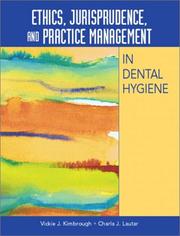
Covers the legal and ethical framework governing licensure, scope of practice, and patient rights — essential reading as the new graduate prepares to work in a regulated clinical environment.
OSHA compliance and infection control protocols are non-negotiable daily responsibilities in any dental office; this authoritative text is the final read, cementing the professional standards the practicing hygienist must uphold.
Discussion
Keep reading
Paths that share books, cover the same subject, or open a related topic.