Becoming a data analyst is less about mastering a tool and more about learning to reason with data — then picking up the tools that let you do it at scale. People who start with a Python course and no statistical intuition produce confident nonsense. The better order builds the thinking first, then the query and analysis tools, then the ability to communicate a finding so it actually changes a decision.
Follow this sequence and each skill has a purpose by the time you learn it.
Learn to think with data
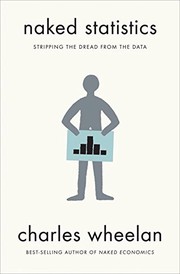
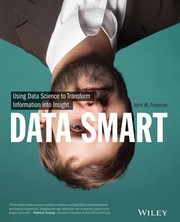
Start with Naked Statistics by Charles Wheelan, which makes statistical reasoning intuitive and genuinely enjoyable — the foundation for everything else. Then Data Smart by John Foreman teaches serious analytics using nothing but a spreadsheet, proving that the thinking matters more than fancy tools. Together they build the judgment that keeps you from being fooled by your own data.
Master the core tools
Now the workhorses. Learning SQL by Alan Beaulieu teaches the single most important technical skill for an analyst — pulling and shaping data from databases — and SQL for Data Analysis by Cathy Tanimura extends it to real analytical queries. Reinforce the reasoning with Statistics by Freedman, a rigorous grounding in the concepts, then step up to programming with Python For Data Analysis by Wes McKinney, written by the creator of pandas, which unlocks larger and messier datasets than a spreadsheet can handle.
Communicate and build a career
A correct analysis nobody understands is worthless. Storytelling with Data by Cole Knaflic teaches you to design charts that make a point, and The Functional Art by Alberto Cairo deepens the craft of information graphics and visualization. Finally, orient the career itself: Build a Career in Data Science by Jacqueline Nolis covers the practical path — portfolio, interviews, and growth — and Thinking with Data by Max Shron brings it full circle, teaching you to frame the right question before touching any tool.
Follow the path in order and you'll be an analyst who reasons clearly and communicates convincingly — not just someone who can run a query.
Follow the full reading path →
Ready to learn something deeply?
Build a reading path — free