A cottage garden looks effortless, an exuberant tumble of perennials, roses, and self-seeders spilling over the path. That apparent artlessness is exactly what makes it hard to get right. Behind the romance sits real plant knowledge and quiet design decisions about color, succession, and structure. Learn the vision first, then the plants, then the composition, and the casual magic becomes reproducible.
This path starts with the classic ideal and its great practitioners, builds deep plant knowledge, and ends with modern naturalistic design. Read it in order and your garden gains the underpinning its looseness needs.
The vision and its masters
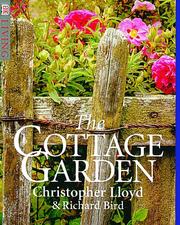
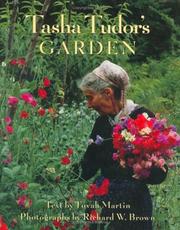
Begin with the ideal itself. The cottage garden by Christopher Lloyd, one of the great English plantsmen, defines the style with authority and wit. Tasha Tudor's garden by Tovah Martin captures the intimate, personal, storybook version of the dream, the emotional heart of why people want this kind of garden at all.
These two set the aspiration; everything after gives you the means to reach it.
Build deep plant knowledge
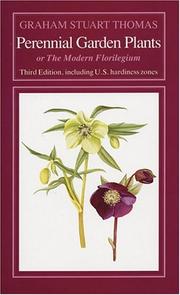
A cottage garden is only as good as its plants, so this is the core of the path. Perennial garden plants by Graham Stuart Thomas is a classic, authoritative reference to the backbone perennials. The Self-Sufficient Garden by Lia Leendertz weaves in the productive, lived-in quality that traditional cottage gardens always had, and RHS Encyclopaedia of Perennials by Graham Rice is the comprehensive plant directory you consult again and again.
With these, you can choose plants that bloom in succession and thrive in your conditions, the difference between a garden that peaks for two weeks and one that sings for months.
Compose the naturalistic garden
Now learn to arrange it all. Planting the natural garden by Piet Oudolf brings the influential modern naturalistic approach, structure, movement, and long-season interest through perennials and grasses. The Well-Tempered Garden, another Christopher Lloyd classic, is full of practical wisdom on making planting decisions that work.
Refine your eye with Color in your garden by Penelope Hobhouse, a masterclass in using color deliberately, and ground it in reality with Margery Fish's Cottage Garden, the beloved record of a real, evolving cottage garden. Close with Gardening With Old Roses by John Scarman, since old roses are the quintessential cottage-garden plant and a fitting final flourish.
Read in this order, vision, plants, design, you earn the relaxed abundance that defines the style. Follow the full reading path to compose a garden that looks wild and feels inevitable.
Follow the full reading path →
Ready to learn something deeply?
Build a reading path — free