Most business plans fail on the page because they failed in the thinking: an untested idea, a vague model, and financials that are wishful rather than reasoned. A good plan is the output of real validation and clear strategy, not a document you fill in from a template. Read in order and the plan writes itself once the thinking is sound.
The path below starts with validating the idea, moves into modeling and structure, then the financials, and ends with pitching and funding. Each book fits one of those stages, and none can substitute for testing your idea in the real market.
Validate before you write
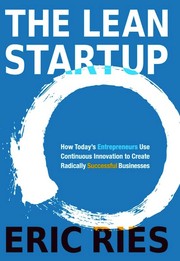
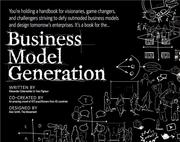
Start with The Lean Startup, which insists you test assumptions cheaply before betting on them — the discipline that keeps a plan honest. Business model generation gives you a visual language for mapping how the business creates and captures value, so you see the whole model before drafting prose. And The mom test teaches you to talk to customers in a way that reveals real demand rather than false encouragement. Together they ensure the plan describes a validated idea.
Structure and strategize
With a tested idea, add strategy and form. Competitive Strategy is the classic framework for analyzing an industry and finding a defensible position — the strategic backbone of any serious plan. How to write a business plan then walks through actually assembling the document, section by section. This pair turns validated insight into a coherent, strategic plan.
Add the numbers and the pitch
Finally, the financials and the ask. Financial intelligence for entrepreneurs makes the accounting and financial statements comprehensible, and Entrepreneurial Finance deepens the modeling and funding side. If you seek investment, Venture deals demystifies term sheets and how venture financing really works, The art of the start 2.0 covers launching and pitching, and Pitch anything teaches the psychology of presenting your plan persuasively. Together they take a written plan to a funded one.
Work these in order and the business plan becomes a byproduct of good thinking. Follow the full path to move from an idea to a document that can withstand scrutiny — remembering that a plan guides action but does not guarantee the outcome.
Follow the full reading path →
Ready to learn something deeply?
Build a reading path — free