Business analytics is not just running numbers — it is deciding what to measure, reasoning about uncertainty, and communicating findings so someone acts on them. Learners who leap to dashboards and tools often skip the statistical judgment that makes the numbers trustworthy. A reading order that builds judgment first prevents confident nonsense.
The path below moves from the analytics mindset to measurement and statistics, then to communication, and finally to advanced methods. Each book fits one of those stages.
Build the analytics mindset
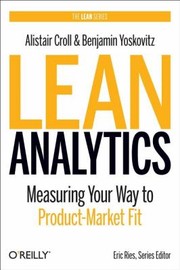
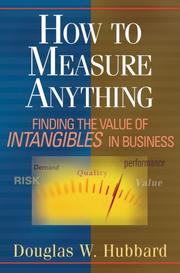
Start with Lean Analytics, which teaches how to pick the metrics that actually matter for a business at each stage — the antidote to drowning in vanity numbers. How to Measure Anything then makes a liberating case that even fuzzy, intangible things can be measured with the right approach. Together they orient you toward asking the right measurement questions before touching a spreadsheet.
Reason with statistics
Sound analytics rests on sound statistics. Thinking, fast and slow reveals the cognitive biases that distort how we read data, including our own. Naked Statistics teaches the core statistical concepts in plain language, so correlation, sampling, and inference stop being intimidating. And Data Driven shows how to build a culture and practice that turns data into decisions rather than reports. This cluster is where good judgment gets its foundation.
Communicate and advance
The best analysis is worthless if no one understands it. Storytelling with Data teaches clear, honest data visualization, and Information Dashboard Design covers building dashboards that inform at a glance rather than overwhelm. For deeper capability, Competing on Analytics shows how organizations turn analytics into strategy, Prediction machines explains what machine learning economically changes, and The Analytics Edge introduces the modeling techniques behind modern analytics. Together they take you from communicating clearly to working at the frontier.
Work these in order and analytics becomes disciplined reasoning rather than tool-chasing. Follow the full path to move from reading charts to producing analysis people trust and act on.
Follow the full reading path →
Ready to learn something deeply?
Build a reading path — free