Here is the irony of worrying that automation will take your job: one of the most secure careers available right now is operating the automation. CNC machines cut metal by themselves, but someone has to read the print, choose the tooling, set the workholding, write or prove out the program, hold tolerances of a thousandth of an inch, and know — from sound and chips and feel — when something is about to go wrong. That someone is a machinist, and American manufacturing has been short of them for years. Reshoring and an aging workforce are widening the gap.
Machining punishes random learning more than most trades, because it is built on a strict ladder: measurement before blueprint reading, blueprints before setup, setup before programming. Skip a rung and expensive things break. That is exactly why an ordered reading path beats scattered videos — and why machinists who learn the fundamentals properly advance to programming and toolmaking while button-pushers stay button-pushers.
The path, stage by stage
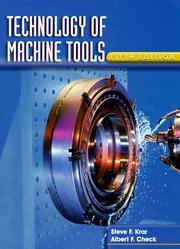
Start with the trade's foundation textbook: Machining Fundamentals by John R. Walker covers safety, measurement, materials, and the core machine operations in plain training-program style. Read it alongside Technology of Machine Tools by Stephen F. Krar, the classic comprehensive text that generations of machinists trained on — two passes over the fundamentals is the fastest way to make them stick.
Then learn the language of precision. Fundamentals of Dimensional Metrology by Ted Busch teaches measurement itself — instruments, technique, and why a measurement can lie to you. Follow with Geometric Dimensioning and Tolerancing by David A. Madsen, because modern engineering drawings are written in GD&T, and reading them fluently is the skill that separates machinists from operators.
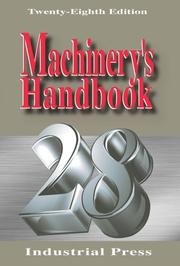
Keep Machinery's Handbook by Erik Oberg within reach through all of this. It is the bible of the trade — threads, speeds and feeds, materials, formulas — a hundred years of machine-shop knowledge in one dense volume. Nobody reads it cover to cover; everybody who is any good can find answers in it fast.
Now the CNC stage. CNC Programming Handbook by Peter Smid is the definitive text on G-code and CNC methods — the book that takes you from running programs to writing them, which is where the pay jumps. CNC Machining Handbook by Alan Overby rounds out the picture with setup, tooling, and the practical workflow around the machine.
Finish with context: The New Industrial Revolution by Peter Marsh explains where global manufacturing is heading — customization, advanced materials, distributed production — and why skilled people who can make things precisely are becoming more valuable, not less.
The full reading path arranges these into stages with a study plan for each.
Your first 90 days
Weeks 1 to 4: work through the fundamentals and buy a cheap set of calipers and a micrometer — practice measuring everything. Weeks 5 to 8: apply to machine-operator openings at local job shops (many hire trainable people with no experience) and look at community-college machining certificates and NIMS credentials. Weeks 9 to 12: start the GD&T and programming material while you run parts. Shops promote from within, and the operator who studies prints and programs at night becomes the setup machinist within a couple of years.
Explore adjacent metalwork at the subject hub, or see the whole automation-resistant landscape at /subjects/ai-proof-career.
Ready to learn something deeply?
Build a reading path — free