There is a reason aircraft maintenance shows up on every list of automation-resistant careers: the entire profession is built on a human signature. When an aviation maintenance technician approves an aircraft for return to service, a specific certificated person is accepting legal responsibility for the lives aboard. The FAA licenses people, not software. Add the physical reality — inspections in cramped bays, troubleshooting intermittent faults, safety-wiring by hand — and you have work that AI can assist but cannot hold.
The path runs through the FAA's Airframe and Powerplant (A&P) certificate, earned via an approved school (typically 18 to 24 months) or documented supervised experience, followed by written, oral, and practical exams. The written material is public and voluminous — which is exactly why readers with a plan outpace everyone else. The full reading path stages it from airman thinking to exam prep.
Stage 1: Think like an airman
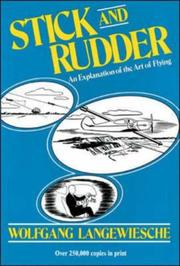
Start with Stick and Rudder by Wolfgang Langewiesche — the classic on why airplanes actually fly, still unmatched for building physical intuition about what the machine is doing and why every system matters. Then read the FAA's own Pilot's Handbook of Aeronautical Knowledge — free, authoritative, and the shared vocabulary of everyone on the airfield: aerodynamics, weather, systems, regulations. Mechanics who understand the pilot's world diagnose smarter.
Stage 2: The core curriculum
Now the license material itself, in the FAA's own sequence. Aviation Maintenance Technician Handbook — General covers the foundation every AMT is tested on: math, physics, materials, tools, regulations, and human factors. Then the two specializations that give the certificate its name: Aviation Maintenance Technician Handbook Airframe for structures, systems, and assemblies, and Aviation Maintenance Technician Handbook Powerplant for engines, from reciprocating to turbine. These are the actual references the exams draw from — reading them before school starts is the single biggest head start available.
Stage 3: Regulations and practice
The legal spine of the job lives in the Federal Aviation Regulations/Aeronautical Information Manual — you learn to navigate Part 43 and Part 65 the way a plumber navigates code, because "is this airworthy and am I authorized to sign for it" is the daily question. Round out with Aircraft Maintenance and Repair by Michael J. Kroes, the standard shop textbook that translates handbook theory into bench practice.
How to actually start
First, decide your route: an FAA-approved Part 147 school is the predictable path (18–24 months, financial aid eligible); the experience route takes longer but pays as you go if you can land a helper position at a repair station. Second, read Stage 1 now — it costs nothing but time and tells you whether the field genuinely interests you. Third, visit a local maintenance shop or airport open house and talk to working AMTs; the industry has been publicly short of technicians for years and working mechanics know exactly what entry looks like in your region. The books cannot replace the certificate — nothing can — but arriving at school with the General handbook already familiar is how career changers finish strong.
Honesty requires saying: the work involves shift schedules, documentation discipline, and a level of carefulness that is non-negotiable, because errors have consequences measured in lives. That weight is also the moat. Browse the subject hub for more, or compare licensed trades at the career change hub.
Ready to learn something deeply?
Build a reading path — free