The legend of King Arthur is not one story but a thousand years of retellings — Welsh, French, English, German, modern — that contradict and enrich each other. Merlin, the Grail, Lancelot, and the Round Table were added by different writers in different centuries for different reasons. Come at the medieval sources cold and the archaic language and tangled variants will lose you. The trick is to enter through modern versions that give you the whole shape, then read the sources knowing what they contributed.
The arc: accessible retellings, then the foundational medieval texts, then the great modern reinterpretations.
Enter through modern retellings
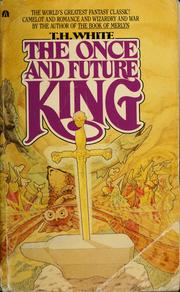
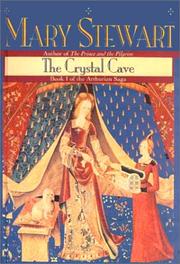
Start with The Once and Future King by T.H. White, the beloved modern version that tells Arthur's whole life with warmth, humor, and tragedy — the ideal orientation. Then The Crystal Cave by Mary Stewart, a vivid, grounded retelling from Merlin's point of view that makes the world feel real. With these you know the cast and the arc before meeting the difficult originals.
Read the medieval sources
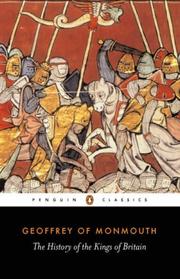
Now the foundations. The History of the Kings of Britain by Geoffrey of Monmouth is where the legend first became "history" in the twelfth century — the seed of everything after. Perceval, or, The story of the Grail by Chrétien de Troyes introduced the Grail and courtly romance to the tradition. Then the great English synthesis: Le Morte d'Arthur by Thomas Malory gathers the sprawling legend into the definitive medieval account, the source most later versions draw on. For the Victorian re-imagining that shaped the modern image of Arthur, read Idylls of the King by Alfred Lord Tennyson.
Meet the modern reinventions
Finally, see how contemporary writers reopened the legend. The Mists of Avalon by Marion Zimmer Bradley retells it from the women's perspective, centering Morgan le Fay and the old religion. Sword at Sunset by Rosemary Sutcliff strips away the magic to imagine a historical, post-Roman Arthur, and The Winter King by Bernard Cornwell gives a gritty, realistic Dark Age version that has become a modern favorite.
Read in this order, the Arthurian legend stops being a confusing pile of contradictions and becomes a living tradition you can trace across a millennium. Follow the full reading path for the staged version, or browse the subject hub.
Ready to learn something deeply?
Build a reading path — free