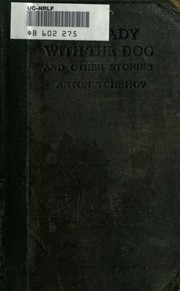
Start with The Lady with the Dog and Other Stories. Its nine pieces are the mature Chekhov, written in the last decade of his life, and they include the title story — a middle-aged adulterer in Yalta who accidentally falls in love and finds his life ruined by it — which is as good a short story as exists in any language. It is a small book and it puts you at the summit immediately.
The mistake almost everyone makes is starting with Early stories. Chekhov began as a comic sketch writer for humour magazines, producing hundreds of pieces at high speed for money, and while the best of them are funny and sharp, they give a badly misleading picture of the writer. Read them fourth or fifth, when they become interesting as evidence of how fast he developed.
The story collections, in reading order
After The Lady with the Dog and Other Stories, move to Ward No. 6 and Other Stories. The title novella — a doctor who ends up committed to the asylum he was supposed to administer — is his most direct piece of moral argument, and Lenin famously claimed it changed how he saw Russia.
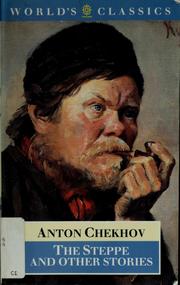
Then The Steppe and Other Stories, which contains the long 1888 story that marked his transition from sketch writer to serious artist: a boy's journey across the southern steppe, almost plotless, sustained entirely by observation. If you have been told Chekhov is about "nothing happening", this is where that reputation comes from, and it is where you find out that the reputation is a compliment.
Finish the fiction with Early stories, the thirty-five-piece collection of the apprentice work.
The plays: read them after the stories
This is a genuine ordering question and readers disagree. Some argue that the plays are the achievement and the stories are the workshop; the majority view among general readers, and ours, is the reverse. Read the fiction first. The plays depend on a technique Chekhov developed in prose — significant action offstage, characters talking past each other, the emotional crisis in the pause rather than the line — and it is easier to recognise on the page once you have seen it in the stories.
Uncle Vanya is the one to read first: four acts, a ruined estate, a wasted life recognised too late, and a final speech that is either consoling or devastating depending on your mood. Then Three Sisters, which our catalogue holds in the Julius West translation.
Note one thing about our path. The Cherry Orchard itself is not in this list — what we hold is Chekhov's The cherry orchard, Herbert Goldstone's critical study of the play. Read the play from any complete edition, then Goldstone if you want a sustained interpretation. It would be dishonest to imply the study substitutes for the text.
The translation question, which is not a footnote
Chekhov survives translation better than most Russian writers, but the differences are large. Constance Garnett's early-twentieth-century versions made him English and are still widely reprinted; they smooth the prose and are criticised for it. Richard Pevear and Larissa Volokhonsky's later versions stay closer to the Russian syntax and are criticised for exactly that. There are excellent versions in between. Read a sample page of two translations before committing — this matters more with Chekhov than with almost any prose writer, because his effects live in tone rather than plot.
The last book, and where to stop
The Notebooks of Anton Chekhov — bound in our edition with Maxim Gorky's reminiscences — is scraps, jokes, overheard lines and unwritten story ideas, plus a memoir by a writer who knew him well. It is a book for people who already love him. Read it last or not at all.
There is no wrong stopping point here, because nothing is serialised. A complete Chekhov reading is two story collections and two plays. Everything past that is a pleasure rather than an obligation.
More Russian literature and drama paths are on Discover.
Follow the full ordered path here: Anton Chekhov Reading Order: Where to Start.