Academic writing has a reputation for being dense, and too many students learn to imitate the fog rather than fight it. But the best scholarly writing is clear, and clarity is teachable. The trouble is that beginners face several problems at once — style, argument, research, and simply finishing — and try to solve them together. An ordered reading path separates them, so you master clear prose before argument, and argument before the grind of writing a lot.
Start with style and clarity, move to argument and research, then to productivity and voice.
Clarity first
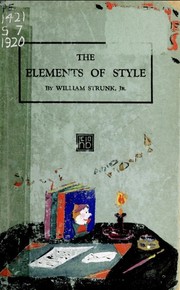
Begin with William Zinsser's On Writing Well for general clarity, then Joseph Williams's Style: Ten Lessons In Clarity and Grace, the finest guide to why some academic sentences read well and others do not. Keep Strunk and White's The Elements of Style handy as a quick reference.
Argument and research
Now the substance. Graff and Birkenstein's "They Say / I Say" teaches the moves of academic argument — entering a conversation rather than just asserting — and The Craft of Research by Booth and colleagues is the standard guide to framing questions, evidence, and claims. Together they turn a pile of notes into an argument.
Getting it done
Scholarship rewards finishing. Wendy Belcher's Writing your journal article in twelve weeks is a practical program for turning drafts into publications, Helen Sword's Stylish academic writing proves rigor and readability can coexist, and Howard Becker's Writing for social scientists addresses the anxieties that stall so many. Close with Paul Silvia's short, bracing How to Write a Lot on building a sustainable writing habit.
Follow the full reading path for study plans on each stage and verified editions, in order.
Follow the full reading path →
Ready to learn something deeply?
Build a reading path — free