Good travel writing is deceptively hard. The trap is thinking the trip is the story — that vivid places automatically make vivid prose. They do not. Travel writing is really personal essay and reportage fused, and it lives or dies on the writer's eye, voice, and structure. That is why a reading path pairs craft instruction with close study of the writers who did it best.
Start with the craft of nonfiction and travel narrative, then read a range of masters to see the form's full possibilities.
Learn the craft
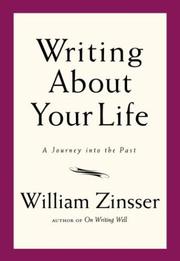
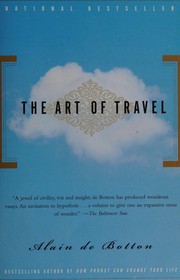
Begin with William Zinsser's Writing about your life and his classic On Writing Well, which together teach the memoir-and-reportage skills at the heart of travel writing. Then read Alain de Botton's The art of travel, a reflective book about why we travel and how to see — the philosophical foundation many great travel writers share.
Study the masters
Now watch it done. John Steinbeck's Travels with Charley and Bill Bryson's Neither here nor there show the companionable, comic register, while Peter Mayle's A year in Provence demonstrates the "settling in" memoir. For the transcendent and the arduous, read Peter Matthiessen's The Snow Leopard and Robyn Davidson's Tracks.
Range and the darker side
Widen your palette. Bruce Chatwin's In Patagonia redefined the form with its fragmented brilliance, and The Best American Travel Writing samples the contemporary field. Keith Fraser's anthology Bad Trips reminds us that misadventure often makes the best stories, and Janet Malcolm's The journalist and the murderer sharpens the ethics of writing about real people you meet on the road.
Follow the full reading path for study plans on each stage and verified editions, in order.
Follow the full reading path →
Ready to learn something deeply?
Build a reading path — free