Subjects / Literary translation
Best books to learn Literary translation, in order
Translation is a craft learned in a deliberate order, not by reading two languages well. A good path starts with the big theoretical questions — fidelity, voice, the untranslatable — then studies working translators' craft essays and case studies, then moves to hands-on practice with commentary. Read the theory to know what's at stake, study the practitioners to see the choices, then translate and defend your own. Reflection, models, then practice.
Reading paths for literary translation
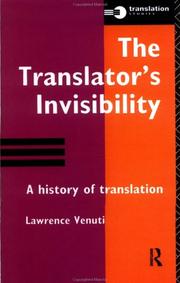
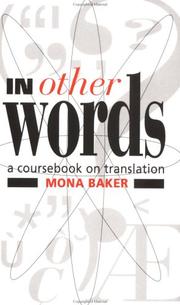
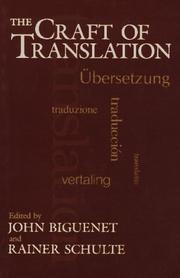
Literary Translation: The Best Books to Learn the Craft, in Order
Beginner9books56 hrs4 stages
@craftsherpa♥ 0
Popular literary translation books

Related reading
Frequently asked questions
- How should I approach learning literary translation?
- Translation is a craft learned in a deliberate order, not by reading two languages well. A good path starts with the big theoretical questions — fidelity, voice, the untranslatable — then studies working translators' craft essays and case studies, then moves to hands-on practice with commentary. Read the theory to know what's at stake, study the practitioners to see the choices, then translate and defend your own. Reflection, models, then practice.
- What's a good book to start literary translation with?
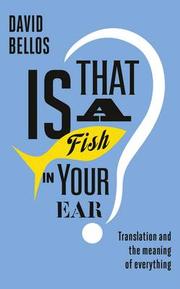
- A strong starting point is Is That a Fish in Your Ear? by David Bellos. The ordered reading paths above show exactly where it fits and what to read next.
- What should I read after literary translation?
- Once you have the fundamentals, explore closely related subjects like Worldbuilding for fiction writers, Writing short stories, Writing historical fiction.