Visible Mending and Sashiko: Best Books in Order
This curriculum moves from the philosophy and simple hand-stitching of visible mending into the precise geometric world of sashiko, and finally into advanced pattern design and creative integration of both traditions. Each stage builds the hand skills, vocabulary, and cultural context needed to tackle the next, so beginners can progress confidently from their first running stitch to complex boro-inspired textile art.
Foundations: The Philosophy & First Stitches
BeginnerUnderstand what visible mending is, why it matters, and gain confidence with basic hand-stitching techniques like running stitch, darning, and patching.
▸ Study plan for this stage
Pace: 4–5 weeks, ~20–25 pages/day, with 2–3 dedicated practice days per week for stitching
- Visible mending as a philosophy: rejecting disposability and embracing imperfection as beauty
- The cultural and historical roots of mending practices across different traditions
- The emotional and environmental impact of choosing to mend rather than discard
- Fundamental hand-stitching mechanics: tension, needle control, and thread management
- Running stitch as the foundation for all other mending techniques
- Darning technique for repairing holes in woven and knit fabrics
- Patching methods: selecting appropriate materials and placement strategies
- How visible mending connects to sustainability, mindfulness, and personal storytelling
- What is visible mending, and how does it differ philosophically from traditional hidden mending?
- Why does Katrina Rodabaugh argue that visible mending matters beyond just practical repair?
- What are the key steps to executing a clean running stitch, and why is it the foundation for other techniques?
- How do you approach darning a hole in fabric, and what variations exist for different fabric types?
- What factors should you consider when selecting fabric for a patch, and how does placement affect the final result?
- How can the practice of visible mending serve as a form of mindfulness or personal expression?
- Practice running stitch on scrap fabric for 15–20 minutes daily for one week, focusing on consistent stitch length and tension
- Complete a simple darn on a piece of knit or woven fabric with a small hole, documenting the process with photos
- Create a visible patch on a worn garment using contrasting fabric, experimenting with different placement and thread colors
- Mend three different items from your own wardrobe using techniques from the book, keeping notes on what worked and what felt challenging
- Reflect in writing: choose one mended object and describe its story—what broke, why you chose to mend it visibly, and what it means to you now
- Create a 'stitch sampler' practicing running stitch, darning, and patching variations on a single piece of fabric to build muscle memory
Next up: With a solid grasp of visible mending philosophy and confidence in basic hand-stitching techniques, you'll be ready to explore more advanced and decorative mending methods—such as sashiko embroidery, appliqué, and specialized stitches—that transform repairs into intentional textile art.
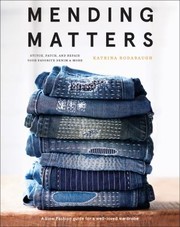
The ideal starting point — it frames visible mending as a mindful, sustainable practice and introduces core techniques (patching, darning, embroidery) with clear photography and a welcoming tone for absolute beginners.
Deepening the Craft: Patterns & Projects
IntermediateExecute a wide range of traditional and modern sashiko patterns with precision, and apply them to garment mending and original textile projects.
▸ Study plan for this stage
Pace: 4–5 weeks, ~20–25 pages/day with pattern practice sessions
- Traditional Japanese sashiko pattern families and their cultural origins
- Grid-based pattern construction and scaling techniques for custom garments
- Thread selection, needle handling, and stitch consistency across large projects
- Adapting sashiko patterns to garment shapes (sleeves, panels, collars) and mending applications
- Color theory and thread combinations for contemporary sashiko design
- Structural reinforcement through sashiko: strengthening worn areas while adding aesthetic value
- Pattern documentation and personal design variation within traditional frameworks
- How do you construct and scale a traditional sashiko pattern from a small reference to fit a specific garment panel or mending area?
- What are the key differences between major sashiko pattern families (e.g., geometric, floral, asanoha), and when is each most appropriate for garment mending versus decorative projects?
- How do you maintain consistent stitch length and tension across a large garment project, and what role does thread weight play in this?
- Describe how to adapt a traditional sashiko pattern to follow the contours of a garment (e.g., around armholes or along seams) without losing the pattern's integrity.
- What considerations guide your choice of thread color and fiber type for both functional mending and decorative sashiko work?
- How can sashiko reinforce a worn or damaged area of a garment while integrating it visually into the overall design?
- Select three distinct pattern families from the Sourcebook and practice each on 6×6 inch fabric samples, focusing on consistent stitch length and grid alignment
- Trace and scale a traditional pattern onto a garment template (sleeve, front panel, or collar) and execute the full pattern on actual fabric
- Complete a functional mending project on a worn garment (torn seam, thin elbow patch, or frayed hem) using sashiko as both repair and design element
- Create a personal pattern variation by modifying one traditional pattern (changing grid spacing, adding secondary lines, or shifting symmetry) and document your design process
- Stitch a multi-pattern project (e.g., a quilted jacket or tote bag) that combines 2–3 different sashiko patterns, managing transitions and color changes
- Practice thread color combinations on scrap fabric to develop a personal palette, then execute one project using an unexpected or contemporary color scheme
Next up: This stage equips you with the technical precision and pattern vocabulary to move into advanced work: designing original sashiko compositions, scaling projects to larger textiles, and exploring the intersection of sashiko with other textile techniques and contemporary art practices.
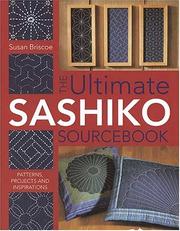
A comprehensive pattern reference with over 200 traditional designs, detailed instructions, and finished projects — the go-to resource for building a deep personal pattern vocabulary at the intermediate stage.
Discussion
Keep reading
Paths that share books, cover the same subject, or open a related topic.

