Hannibal Lecter books in order: where to start with Thomas Harris
Thomas Harris has published six novels in fifty years, which makes this the rare author path where the whole bibliography fits and the ordering question is genuinely consequential rather than logistical. Read the three Lecter novels in publication order — that order is also the chronological one and it is where the damage accumulates correctly. Black Sunday stands apart before Lecter existed, and the two late books are worth knowing about mainly so you can decide honestly whether to bother. This path is deliberately short: padding a six-book career with adjacent true-crime reading would misrepresent it.
The three that matter, in order
BeginnerRead the Lecter trilogy in publication order and understand why each book's method is a reaction against the last one's success.
▸ Study plan for this stage
Pace: 1,239 pages across the three Lecter novels — Red Dragon 373, The Silence of the Lambs 352, Hannibal 514 — which is a month of ordinary evening reading and the smallest core on any author path here. Read them consecutively and in this order; the whole argument of the path is that each book is a react
- Lecter as a supporting character in a cell, which is the structural reason he works in the first two books and not the later ones
- Francis Dolarhyde as Red Dragon's actual subject, with the profiler plot as the frame around him
- Clarice Starling's class position doing as much work in Silence as the case does
- The interview as the series' signature scene, and how the power inside it shifts across the three books
- Hannibal at 514 pages abandoning procedural realism for the baroque, and doing it deliberately rather than by failure of control
- The profiler procedural largely invented here, and the enormous genre that follows from it
- Why does Lecter work better confined than at liberty, and where in Hannibal can you see that trade being made?
- What does Red Dragon give Dolarhyde that most crime novels withhold from their killers?
- How does Starling's background shape every institutional scene in The Silence of the Lambs?
- Is Hannibal a betrayal of the first two books or a comment on their reception? Argue from its ending.
- Which of the three has the best plot, and which the best prose? They are not the same book.
- What does the tightness of 352 pages give Silence that the 514 of Hannibal gives up?
- List every Lecter scene in Red Dragon and count the pages he actually occupies. The number is small, and it is the argument for reading in publication order.
- Compare the first Lecter interview in Red Dragon with the first in Silence line by line, marking who controls each exchange.
- Track how much of Silence is procedure — paperwork, autopsies, chain of command — versus confrontation, and note what the balance does to the tension.
- After Hannibal, write down what you think Harris was doing to the reader, then read the last chapter again against your answer.
Next up: With the trilogy read, Black Sunday can be seen for what it is — the reporter's thriller Harris was writing before a supporting character took over his career.
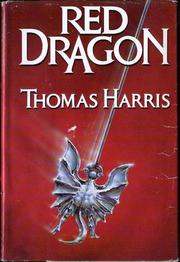
Start here, always. Harris invents the modern profiler procedural, and Lecter is a supporting character in a cell — which is exactly why he works. Francis Dolarhyde is the novel's real subject and the best thing Harris ever wrote.
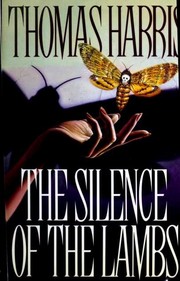
The sequel that made Lecter a franchise. Structurally tighter than Red Dragon and centred on Clarice Starling's class anxiety as much as the case. Read second; it assumes you have met Lecter caged.

The book where Harris turns on his own audience: baroque, grotesque, operatic, and openly contemptuous of readers who wanted a hero. Divisive, and much better than its reputation once you accept it is not trying to repeat Silence.
Before Lecter
IntermediateRead Harris's first novel and see the reporter's procedural instincts before the character took over his career.
▸ Study plan for this stage
Pace: One novel, 320 pages, a week. Black Sunday is a self-contained 1975 thriller and shares nothing with the trilogy but its author's research habits, so it can be read at any point — but reading it after the three is more useful, because you can see which of Harris's strengths predate Lecter entirely.
- The former crime reporter's method — procedure, hardware, institutional detail — visible before it was applied to profiling
- A thriller whose antagonists are granted interiority, the same move Harris later makes with Dolarhyde
- Suspense built from logistics and countdown rather than from a duel between two minds
- The 1970s political thriller conventions Harris is working inside, and what he does differently
- What is already fully formed in Harris at 320 pages, and what only arrives with Red Dragon
- Which techniques in Black Sunday reappear unchanged in Red Dragon?
- How does Harris construct sympathy for a character planning mass murder, and does the novel qualify it?
- What does the absence of a Lecter figure do to the shape of the suspense?
- Would you have predicted the Lecter novels from this book? Point to the evidence either way.
- Is the research-heavy method a strength here or a drag on the pace?
- Mark every passage of technical exposition in the first hundred pages and note how Harris paces it against the plot.
- Compare the antagonist's introduction in Black Sunday with Dolarhyde's in Red Dragon, and describe what changed in seven years.
- Write a one-paragraph case for Black Sunday as Harris's most underrated book, then the case against, and decide which you believe.
Next up: Having seen Harris at his most disciplined, the two late novels become a straightforward question about whether the discipline held.
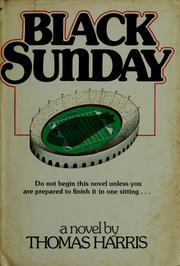
The 1975 debut: a Black September plot against the Super Bowl. No Lecter, no profiling, just a hard, researched thriller by a former crime reporter. Read after the trilogy — it is better company once you know what Harris became.
After Lecter, with your eyes open
IntermediateDecide for yourself on the two late books, knowing what they cost the earlier ones.
▸ Study plan for this stage
Pace: Two novels, 341 and 320 pages, 661 in all — a fortnight, and the only optional stage on the path. Both are widely regarded as minor, and this stage exists so you can decide with the earlier books fresh rather than on reputation. Read Hannibal Rising last of everything: it supplies an origin for Lect
- Origin as subtraction: what a tidy causal childhood does to a character built on unaccountability
- The difference between a prequel that adds information and one that changes how earlier books read
- Cari Mora's return to the standalone thriller mode, and what it shows about Harris's range after four decades
- Commercial pressure as a legible force on a bibliography, without needing to speculate about the author
- Why 'complete the bibliography' is a real reason to read a weak book, and when it is not
- Does Hannibal Rising change how Red Dragon reads on a reread? Test it rather than assuming.
- What specifically is lost when Lecter is explained, and could any origin story have avoided it?
- Is Cari Mora closer to Black Sunday or to the trilogy in method, and what does that suggest?
- Having read all six, what is the actual shape of Harris's career — and how much of it is the three books in stage one?
- Where would you tell a new reader to stop, and would you mention these two at all?
- Reread the first Lecter interview in Red Dragon immediately after Hannibal Rising and note any line that now reads differently.
- List what Hannibal Rising asserts about Lecter's past and check each item against what the first three books actually state rather than imply.
- Rank all six novels and write one sentence of justification for each position; the ranking is less useful than being forced to say why.
- Write the recommendation you would give someone with time for exactly three Harris novels, and say explicitly what they will not have read.
Next up: This path is the complete Harris bibliography, so the next step is outward — to the profiler procedurals that Red Dragon made possible rather than to more Harris.
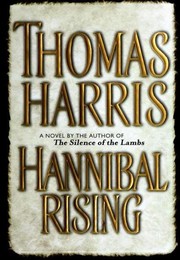
The prequel that explains Lecter's origins, and the explaining is the damage — a figure whose power came from being unaccountable is given a tidy childhood cause. Read it only if completeness matters to you, and read it last.

The 2019 novel, no Lecter, a treasure buried under a Miami house. Short, strange, closer to Black Sunday than to the trilogy, and generally regarded as minor. Included so the path is complete, not because it is essential.
Discussion
Keep reading
Paths that share books, cover the same subject, or open a related topic.