The Death Gate Cycle Reading Order: Where to Start
The Death Gate Cycle is seven books and the order is fixed, but the reason it is fixed is unusual enough to be worth stating up front. The first four volumes each strand the same two characters on a different fragment of a world that was deliberately sundered into four elemental realms — air, fire, stone, water — and each reads almost as a standalone with its own cast, its own catastrophe and its own argument about what the sundering cost. Only from the fifth book onward do those separate arguments start colliding, and the last two collect the debt. Read out of order the cycle looks like four unconnected fantasies and a confusing finale; read in order, the sequence itself is the thesis. This is the whole series, and Weis and Hickman never continued it.
The four worlds
IntermediateMeet Haplo and Alfred, and see each sundered realm on its own terms before the cycle starts connecting them.
▸ Study plan for this stage
Pace: Two months at two books a month — 1,688 pages across four novels of similar weight: Dragon Wing 431, Elven Star 367, Fire Sea 436 and The Serpent Mage 454. Read them in order and do not treat them as interchangeable standalones, even though each has its own cast and its own catastrophe. The stall po
- A world deliberately sundered into four elemental realms — air, fire, stone, water — as premise and as crime
- Haplo as a Patryn agent sent to destabilise each realm, and a protagonist whose mission the reader is not meant to want to succeed
- Alfred, and the Haplo-and-Alfred relationship that is the cycle's actual spine beneath four separate plots
- One volume per realm: each with its own cast, its own catastrophe and its own argument about what the sundering cost
- The near-total cast reset between books, which is a deliberate structure rather than an accident of serialisation
- Sartan and Patryn as two halves of one history, each with a self-serving account of it
- The dragon-snakes, brought fully into view in the fourth book, and the point at which the four stories stop being separate
- What is Haplo actually sent to do, and how does each realm change his account of why?
- Elven Star drops the cast of Dragon Wing. What does that cost the reader, and what does the cycle buy with it?
- Each of the four realms was engineered for a purpose. State the purpose of each and say which one failed worst.
- Where in Fire Sea does the cycle stop being an adventure? Name the scene.
- What do you know about the sundering by the end of The Serpent Mage, and how much of it comes from sources with an interest in the answer?
- Keep a four-column sheet, one per realm: what it was built for, who lives there, how it is failing. The fifth book assumes you have all of it and supplies none of it.
- In each volume, note what Haplo tells his lord and what he actually saw. The gap widens book by book and it is the cycle's quietest plot.
- When Elven Star introduces its new cast, resist the urge to skim for returning characters. Mark instead what the new realm has in common with the last — the parallels are the argument.
- After The Serpent Mage, write down what you think the Sartan did and why. The last three books are the answer and the guess is worth having on paper first.
Next up: Four separate arguments have been made and the dragon-snakes have connected them, which is exactly the state the fifth book needs you in before it converts four standalones into one story.
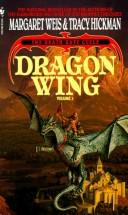
The realm of air, and the entry point: floating continents, an assassin's plot, and the Patryn agent Haplo arriving in a world he has been sent to destabilise. It also introduces Alfred, whose relationship with Haplo is the cycle's real spine.
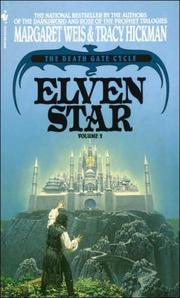
The realm of fire, and the volume readers most often stall on because it discards nearly the entire cast of book one. Read it anyway and read it second — the near-total reset is the structural point being made, and the cycle repays it.
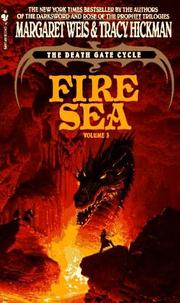
The realm of stone, necromancy and a dying underground civilisation, and the book where the cycle turns from adventure to something considerably darker. It is where most readers say the series justifies itself.
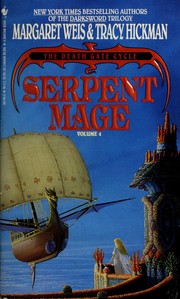
The realm of water, and the last of the four world books. It brings the dragon-snakes fully into view, which is the point where the four separate stories stop being separate. Some editions drop the leading article; it is the fourth volume either way.
The debt comes due
IntermediateFollow the cycle as the four realms collide and the Sartan-and-Patryn history behind the sundering is finally paid out.
▸ Study plan for this stage
Pace: Six to eight weeks for 1,236 pages — The Hand of Chaos 468, Into the Labyrinth 448 and The Seventh Gate 320, which is the shortest book in the cycle and the fastest of the three. Read them consecutively and read them last: The Hand of Chaos returns to the air realm of Dragon Wing with everything the
- The Hand of Chaos as the conversion point: four standalones re-read as one story
- The Labyrinth as a sentence rather than a setting, and what generations inside it did to the Patryns
- Haplo's characterisation paid out — everything the first four books showed of him explained by where he came from
- The Sartan and Patryn history behind the sundering, delivered late and by parties with an interest in it
- A finale that resolves rather than expands, and what it costs a fantasy series to actually end
- Alfred and Haplo as the argument the whole cycle has been making about the two races
- Why the reading order is the thesis: the sequence itself carries the meaning, not any single volume
- What specifically in The Hand of Chaos is meaningless without books two, three and four?
- Into the Labyrinth shows the prison at last. Does seeing it change the Patryns from villains to something else, and does the cycle want it to?
- How much of the sundering's justification survives contact with what you learn in the last three books?
- The Seventh Gate is the shortest volume and it resolves the most. What has it left out, and does the omission show?
- The cycle was never continued. Is that a discipline or a limitation? Argue it from the ending itself.
- Reread the opening chapter of Dragon Wing immediately after The Hand of Chaos. The fifth book is written to make the first one read differently and this is the cheapest way to feel it.
- Complete the four-realm sheet from stage one with what the last three books add, then read it whole. That document is the cycle's actual thesis, assembled out of seven volumes.
- Check the guess you wrote about the Sartan against what the last books actually say — and note which of the sources telling you is trustworthy.
- After The Seventh Gate, write two sentences on what the sundering was for. Being able to answer that from the text rather than from a summary is the point of reading all seven.
Next up: This is the end of the path: seven books, a fixed order, and a cycle whose sequence was the argument — read in full, with no continuation to follow.
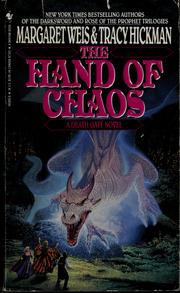
Back to the air realm from Dragon Wing, now with everything the intervening three books established. Read it fifth: it is the volume that converts four standalones into one story, and it is unintelligible early.

The prison-world the Patryns were sentenced to, which the cycle has referred to for five books without showing. It is the payoff for Haplo's entire characterisation and the darkest thing Weis and Hickman published.
The conclusion, resolving the sundering, the two races and the Alfred and Haplo relationship in one volume. Seven books is the whole cycle — there is no continuation, and this is a genuine ending rather than a door left open.