Swallows and Amazons Reading Order: Where to Start
Arthur Ransome's twelve novels are read in publication order, which is also the order the children age in, and there is no serious argument otherwise. What surprises new readers is how much the setting moves: two of the twelve are yarns the children have invented rather than things that happen to them, three are set on the Norfolk Broads with a different set of children, and the last takes everyone to the Hebrides. That variety is the reason the series stays fresh across twelve books, but it also means the second and fifth books feel like a change of channel if nobody has warned you. Start with the first and keep going; every book stands alone well enough that a stall is not fatal.
Start Here: The Lake
BeginnerMeet the Walkers and the Blacketts, learn how Ransome writes competence — real sailing, real camping, adults kept offstage — and understand what a yarn book is.
▸ Study plan for this stage
Pace: Five to six weeks for about 1,250 pages. Swallows and Amazons is 362 pages, Swallowdale 452 and Peter Duck 432 — long by children's-book standards but written in short chapters that suit an evening or a read-aloud session. If you are reading aloud, a chapter a night puts each book at roughly a month
- Competence as the subject. Ransome's children sail, cook, navigate and camp properly, and the books' pleasure comes from watching difficult things done correctly rather than from peril
- The famous telegram — better drowned than duffers, if not duffers won't drown — which is the series' whole ethic about risk and trust compressed into one line
- Adults deliberately kept at the edge of the frame: Mother, Mrs Blackett and Captain Flint exist, are competent and are consulted, but the story stays with the children. This is not an orphan fantasy, which is what makes it unusual
- The two crews and their temperaments: the Walkers, methodical and naval in their imagination, and the Blackett sisters, piratical and disruptive, with Nancy driving most of the plots for the next eleven books
- The layered imagination: the children call the lake's features by invented names while the real geography stays exact underneath. Ransome never confuses the two, and neither should the reader
- Swallowdale as a deliberate change of pace — the boat is wrecked in the first quarter and the book moves onto the fells, which forces Ransome to hold attention without sailing
- The yarn books, of which Peter Duck is the first: stories the children have made up, not events they have lived. They are set on the same shelf as the real ones on purpose, and knowing which mode you are in prevents a great deal of confusion later
- Ransome's technical writing. The sailing is accurate enough to learn from, and the descriptions of tacking, anchoring and making camp are instructions as much as narrative
- What does the telegram from Father actually say, and what does it reveal about how this family thinks about risk?
- Where are the adults in book one, and how does Ransome keep them present but out of the way? Name the specific devices he uses.
- How does Swallowdale hold your attention once the boat is wrecked? What replaces the sailing?
- How can you tell that Peter Duck is a yarn rather than an event? Look for the internal signals rather than relying on being told.
- Compare the Walkers and the Blacketts as crews. What does each want from the summer, and how does Ransome make the difference legible without stating it?
- Draw the lake as the children name it, then find the real Lake District map underneath — Windermere and Coniston are both partly in it, and identifying the composite is a genuine pleasure. Keep the map; you will add to it.
- Learn the knots the children use. Ransome names them, they are all in any knot book or online guide, and tying a bowline while reading about one is the most Ransome-appropriate exercise available.
- Write 200 words explaining what tacking is, using only what the first book tells you. If you cannot, reread the sailing passages — they are precise enough to teach from and that is the point.
- After Peter Duck, list every detail that gives away its status as an invention. Then check your list against the framing.
- If you are reading aloud, keep a note of which chapters landed best. Ransome's chapter endings are engineered for exactly this and the pattern becomes obvious after two books.
Next up: With the lake, the two crews and the difference between a real book and a yarn established, the next stage introduces the two children who carry half the remaining series and takes the story away from the Lakes for the first time.
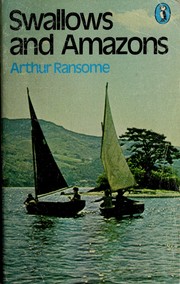
The 1930 original and the only sensible starting point. Four children are allowed to sail to an island and camp alone, and a rival pair of sisters declares war. The whole series' method — children treated as serious people doing difficult things properly — is established in the first fifty pages.
Second, and a direct sequel: the Swallow is wrecked and the summer moves onto the fells. Slower than the first book by design, and the one that proves Ransome can hold you without a boat.
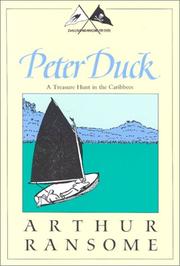
Third, and the first of the two yarns — a treasure-hunting voyage to the Caribbean that the children are imagining during a winter on a barge, not living. Read it in place; it is a deliberate holiday from realism, and skipping it makes Missee Lee later come out of nowhere.
Winter, and the Broads
BeginnerMeet the two new characters who carry half the series, and follow Ransome away from the Lake District for the first time.
▸ Study plan for this stage
Pace: Five weeks for about 1,090 pages. Winter Holiday is 352 pages, Coot Club 352, Pigeon Post 383 — all a touch shorter and faster than the opening three. Read them in order and read Coot Club without expecting the Walkers or Blacketts; going in forewarned turns the surprise into interest. If a reader i
- Dick and Dorothea Callum, the two most important new characters in the series: Dick the observer and naturalist, Dorothea the aspiring novelist who narrates her own life as fiction. They appear in five more books and are the reader's way in, because unlike the others they start out knowing nothing
- Winter Holiday's transformation of the familiar: the same lake frozen, so the geography you learned in the first stage is unrecognisable and has to be relearned. This is one of the cleverest things Ransome does
- The Arctic expedition frame, which lets the children's imagination and the real hazard of ice run in parallel
- The Norfolk Broads as a completely different sailing environment: rivers and dykes rather than open lake, tides, quanting, and the constant traffic of other boats. The seamanship problems are different and Ransome explains why
- Coot Club's conservation theme — protecting a nesting coot from careless holidaymakers — which is genuine natural history rather than a moral bolted on, and reflects Ransome's own interests
- The Death and Glories and the Coot Club children as a working-class Norfolk cast, drawn with more social specificity than anyone in the Lake books
- Pigeon Post as the first full convergence: Walkers, Blacketts and Callums in one story, with the pigeons as a communication system the plot is built around
- That Pigeon Post won the first Carnegie Medal in 1936, which is a useful fact about how the series was regarded in its own time
- What do Dick and Dorothea each bring that the original six do not? Consider what changes about how information reaches the reader once a novice is present.
- How does the frozen lake in Winter Holiday change the geography you learned in the first three books? Name three specific places that behave differently.
- What sailing skills does the Broads require that the lake does not? Ransome is explicit about several of them.
- Coot Club has an entirely different cast. What holds it in the series, and would it work as a standalone novel?
- In Pigeon Post, what is the pigeons' function in the plot, and how does Ransome use a communication constraint to generate story?
- Redraw your lake map as it appears in Winter Holiday, marking what is now walkable, sailable by ice yacht, or dangerous. Comparing the two maps is the exercise.
- Find the Norfolk Broads on a real map and trace the Coot Club voyage. The Broads are a real and navigable network and the book follows them accurately.
- Learn what quanting is and how a Broads sailing boat handles a bridge. Both are described in the book well enough to picture, and looking up a photograph afterwards is worth the two minutes.
- Write 300 words on Dorothea's habit of narrating her own life as a novel. It is a running joke and also the series' quiet argument about what imagination is for.
- After Pigeon Post, list which characters from all previous books are present and what each contributes. It is the first time Ransome juggles this many and seeing how he does it is instructive.
Next up: Six books of accumulated competence are exactly what the next stage needs, because the seventh book puts the Walkers in real danger and only works because you have watched them earn the skills that save them.
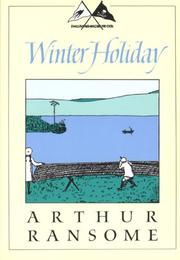
Fourth, and the book that introduces Dick and Dorothea Callum — the scientist and the novelist — who go on to appear in five more. The lake freezes and the children ski to the North Pole. Many readers' favourite.
Fifth, and the biggest change of scene: the Norfolk Broads, no Walkers or Blacketts, and an almost documentary interest in birds and boat handling. It works alone, but Dick and Dorothea are the bridge from the previous book.
Sixth, back at the lake in a drought, prospecting for gold on the fells. Won the very first Carnegie Medal, and pulls both sets of children plus the Callums into one book for the first time.
The Sea
BeginnerRead the three books at the series' peak, including the one that is genuinely frightening.
▸ Study plan for this stage
Pace: Five weeks for about 1,160 pages. We Didn't Mean to Go to Sea is 351 pages and most readers finish it in two or three sittings because they cannot stop. Secret Water is 401 and deliberately calmer. The Big Six is 412 and is a detective novel. Read them in order. A note for reading aloud to younger c
- We Didn't Mean to Go to Sea as the series' peak, and why it works: the plot depends on the Walkers being competent enough to survive and honest enough to have promised not to leave the harbour, so the whole crisis turns on character
- The accumulated-skill payoff. Everything John does at the helm was demonstrated in earlier books, which is why the crossing reads as plausible rather than as fantasy — a technique very few series execute this patiently
- Ransome's navigation writing at full stretch: compass courses, the tide, the fog, the lightships, and the landfall. It is accurate enough that sailors read it for pleasure
- Secret Water's deliberate de-escalation: the Walkers marooned on the Essex saltings with an incomplete map and instructions to survey it, so the subject is cartography rather than danger
- Surveying as an activity Ransome makes genuinely interesting — the tides that cut the islands off, the compass work, the blank map filled in over days
- The Big Six as a straight detective story: the Coot Club children accused of casting boats adrift, with evidence, alibis and a proper investigation. Ransome shifting genre for a whole book
- Reputation and justice as the Big Six's actual subject — the children's problem is that adults believe them guilty, and the solution has to be evidence rather than protest
- The Essex and Norfolk settings as places Ransome sailed himself, which is why the tidal detail in both books is exact
- Why is We Didn't Mean to Go to Sea so much more effective than a straightforward adventure would have been? Consider what the promise to stay in harbour does to the plot.
- Trace what John actually does to get Goblin across the North Sea. Which of those skills did you watch him learn in an earlier book?
- Secret Water is quiet on purpose. What is it about, and why does it work as a follow-on rather than an anticlimax?
- In The Big Six, what evidence clears the children, and does the mystery play fair with the reader?
- Three books, three genres — sea story, survey adventure, detective novel. What stays constant in Ransome's method across all three?
- Plot the Goblin's crossing on a real chart or map of the North Sea between Harwich and the Dutch coast. The distances and the courses in the book are real and the exercise is startling.
- Draw the Secret Water map yourself as the children survey it, adding to it chapter by chapter as they do. It is the only book in the series that turns the reader into a cartographer and following along doubles the pleasure.
- Write 300 words on why the promise not to leave harbour matters more to the seventh book than the fog does.
- In The Big Six, stop reading twenty pages before the solution, write down who you think did it and what the evidence is, then finish. It is the only book in the series that supports this.
- Learn to read a tide table and work out high and low water for one of the days in Secret Water. Tides are the antagonist in that book and understanding them changes how it reads.
Next up: Having reached the series' high point and its most conventional plots, the last stage takes in the second yarn, the most domestic book Ransome wrote, and the late Hebridean novel he chose to finish on.
Seventh, and the best book Ransome wrote: the Walkers are carried out of Harwich harbour in fog and have to cross the North Sea alone. It is the only book in the series with real danger in it, and it depends on six books of accumulated competence to be believable.
Eighth, a direct follow-on — the Walkers marooned on the Essex saltings with a blank map to fill in. Quieter on purpose after the North Sea, and the surveying is the point.

Ninth, back to the Broads and a straight detective story with the Coot Club children accused of casting off boats. Reads best after Coot Club, whose cast it assumes entirely.
The Last Three
BeginnerFinish the series, including the second yarn and the final Hebridean book Ransome ended on.
▸ Study plan for this stage
Pace: Four weeks for about 1,080 pages. Missee Lee is 401 pages, The Picts and the Martyrs 318, Great Northern? 358. All three read at pace. Take them in publication order. Two notes. Missee Lee is the second yarn, so you are back in invented territory — this is why Peter Duck was read in place rather tha
- Missee Lee as the second yarn, and why Ransome's China has real furniture in it — he had been a foreign correspondent in China and the Baltic, so the invention is built on things he had seen
- Missee Lee herself as one of Ransome's best characters: a Cambridge-educated pirate chief who wants to teach Latin, which is a joke and a portrait at the same time
- That Missee Lee is a 1941 adventure story set in the South China Sea and written by an Englishman of his period. Read it as the yarn it announces itself to be, and expect the period's conventions about setting and character to be visible
- The Picts and the Martyrs as domestic farce: the Callums hidden in a hut in the woods because a great-aunt has arrived, with the whole book turning on not being found
- Why the eleventh book is better than its reputation — the stakes are entirely social, the comedy is character-driven, and Nancy's improvisation is at its best
- Great Northern? as a proper ending: the Hebrides, a rare bird, and an egg collector as a genuine villain rather than a rival
- The conservation theme returning from Coot Club and given the last word, which says something about what Ransome thought the series was for
- That Ransome stopped here deliberately and later attempts at a thirteenth book were never finished, so Great Northern? is the end rather than an interruption
- What tells you Missee Lee is a yarn rather than an adventure the children lived? Compare the signals with the ones you identified in Peter Duck.
- Missee Lee wants to teach Latin more than she wants to be a pirate. What is Ransome doing with that, and how does it change the book's shape?
- The Picts and the Martyrs has no boat trip, no voyage and no danger. What generates its plot, and why does it work?
- Why is an egg collector the right villain for the final book? Consider what the series has said about birds and about collecting since Coot Club.
- Having read all twelve: what is the series actually about? Answer with specific books rather than in general terms.
- Which of the twelve would you now recommend a new reader start with, and would you still say the first one?
- List the twelve books with their setting, cast and mode (real or yarn) in one table. Seeing the variety laid out explains why the series stays fresh across twelve volumes.
- Find Ransome's own biography and read about his years in Russia and China. Then reread one page of Missee Lee. The relationship between what he had seen and what he invented is the interesting thing about the yarns.
- Write 300 words on Nancy Blackett across the whole series — first appearance to last. She is the engine of most of the plots and tracking her is the best single-character exercise the books offer.
- After Great Northern?, look up the great northern diver and the history of egg collecting in Britain. The book's villain was a real menace and the legislation that followed is part of the story.
- Write a final page recommending the series to someone who has never read it, naming which two books you would hand them first and which one you would tell them to push through. Being forced to choose is the exercise.
Next up: This is the end of the path — twelve books in publication order, from a Lake District island to the Hebrides — and the natural next steps are Ransome's own autobiography, and Roger Wardale's books on the real places and boats behind the novels, which turn a reread into a field trip.
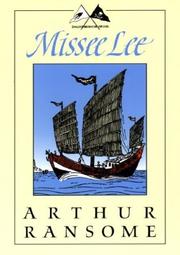
Tenth, and the second yarn: shipwreck and capture by a Cambridge-educated pirate in the South China Sea. Ransome had been a correspondent in China, which is why the fantasy has real furniture in it. Read it after Peter Duck so the mode is familiar.
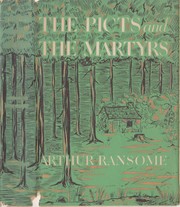
Eleventh, and the most domestic — the Blacketts hiding the Callums in a hut to avoid a visiting great-aunt. Almost a farce, and much better than its reputation.
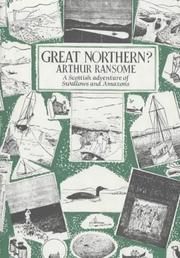
Twelfth and last, in the Hebrides, with an egg collector as the villain. Written eleven years after the previous book and the only one not set in a place Ransome had sailed as a child; it ends the series properly, so stop here.