Sailor Moon Reading Order: Where to Start the Manga and What Order to Read It In
Naoko Takeuchi's Sailor Moon runs twelve volumes in the modern Kodansha edition, plus a two-volume prequel and a book of short stories, and the only real ordering question is where Codename: Sailor V goes — the answer is after the first arc, not before it, because it gives away a reveal the manga spends three volumes building. This path reads the five arcs in publication order and is honest about which volumes we can and cannot link to a distinct English record.
The Dark Kingdom arc: volumes 1 to 3
BeginnerMeet Usagi and the inner Senshi, and see how much faster the manga moves than the anime you may already know.
▸ Study plan for this stage
Pace: About a week, and expect it to be denser than you have been led to believe. The three volumes total 691 pages — 229, 224 and 238 — and at manga pace each is an hour or a little under, but Takeuchi packs more plot into a page than almost any comic on this path. If you know the anime, this is the adju
- Compression as Takeuchi's default: introductions, transformations and reveals delivered in a fraction of the space the adaptation uses
- The inner Senshi as a completed team by volume 2, rather than as a slow accumulation across a season
- Tuxedo Mask's identity resolved early, so the series can spend its energy elsewhere
- The Silver Millennium backstory, established once in volume 3 and assumed without restatement by every later arc
- Takeuchi's page design — overlapping panels, floating figures, decorative negative space — as a storytelling system rather than ornament
- Why Codename: Sailor V cannot be read first: it names something this arc spends three volumes withholding
- What does the manga establish in volumes 1 and 2 that the anime takes far longer to reach, and what does the compression cost?
- What is the Silver Millennium, and which parts of it does volume 3 state outright versus imply?
- How does Takeuchi use page layout to move between comedy and catastrophe within a few panels?
- What is the specific reveal that reading Codename: Sailor V first would spoil, and where in these three volumes is it delivered?
- By the end of volume 3, what does being a Senshi cost, and how does the arc demonstrate it rather than assert it?
- If you know the anime, keep a list of everything in volume 1 that the adaptation moved, expanded or invented. It is the fastest way to see what Takeuchi's pacing actually is.
- Take one double-page spread and map the reading order of its panels with a pencil. Takeuchi frequently abandons the strict grid, and following her deliberately once makes the rest of the run much easier to read.
- Write down what you know about Sailor V at the end of volume 2 and again at the end of volume 3. The difference between those two notes is the reason the next stage sits where it does.
- Time yourself on volume 1's 229 pages. Manga page counts are poor predictors of reading time, and knowing your own rate makes the twelve-volume run plannable.
Next up: The Dark Kingdom arc is closed and its reveal is behind you, which is precisely the condition that makes the prequel safe to read.
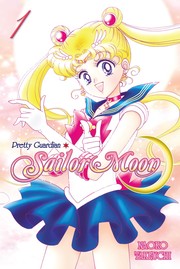
The correct starting point in every edition. Usagi, Luna and the first three Senshi arrive inside a hundred pages — the manga compresses what the anime spends a season on, so expect a much denser read.

The team completes and Tuxedo Mask's identity resolves. Read straight on; volumes 1 and 2 are one movement and the pacing does not pause between them.

The Dark Kingdom arc ends, along with the Silver Millennium backstory that every later arc assumes. This is the first natural stopping point and the moment Codename: Sailor V becomes safe to read.
The prequel, read where it helps
BeginnerRead Takeuchi's earlier Minako series now that its central reveal can no longer spoil anything.
▸ Study plan for this stage
Pace: Three or four evenings, and treat it as a detour rather than a second commitment — the whole of Codename: Sailor V is two volumes. Volume 1 runs 280 pages, the longest single book in this stretch of the path, and no page count is recorded in our catalogue for volume 2. It is a lighter, funnier and v
- Sailor V as the series Sailor Moon grew out of, written and set earlier
- Minako with her own comic voice, distinct from her later role inside an ensemble
- Takeuchi's earlier draughtsmanship — rougher line, simpler layouts — and what changed by Sailor Moon volume 1
- Episodic gag structure as against the main series' arc structure, and the effect on pacing
- How Sailor V ties directly into Minako's arrival in the main run
- Reading order chosen for effect rather than chronology: publication order, internal chronology and best-experience order are three different things here
- What is Sailor V doing that Sailor Moon is not, in tone and in structure?
- How does Minako read as a solo protagonist compared with her position among the inner Senshi?
- What has changed in Takeuchi's drawing between Sailor V and Sailor Moon volume 1 — line, faces, layout?
- Where does Sailor V connect to the main series, and how much of it is genuinely load-bearing?
- Having read it after volume 3, would this series have been better or worse read first? Argue it from the specific reveal involved.
- Read the first chapter of Sailor V immediately after rereading the first chapter of Sailor Moon volume 1. Two openings by the same author, a short time apart; list what she keeps and what she has learned.
- Note every moment in Sailor V that would have functioned as a spoiler had you read it first. If the list is longer than you expected, the ordering argument is stronger than you expected.
- Track Minako's characterisation across both volumes and write one sentence on how it differs from her presentation in Sailor Moon volumes 1 to 3.
Next up: With Minako's solo run behind you the full cast is known, which is what the next arc needs before it reorganises the whole series around time travel.
Written before Sailor Moon and set before it, this is the series Sailor Moon grew out of — lighter, funnier and rougher. Read after volume 3 rather than first, because starting here tells you who Sailor V is long before the manga wants you to know.
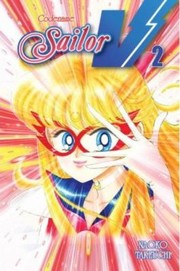
Concludes Minako's solo run and ties directly into her arrival in the main series. Two volumes is the whole of it, so this is a short detour rather than a second commitment.
The Black Moon arc begins: volume 4
BeginnerMeet Chibi-Usa and the time-travel premise that reorganises the whole series.
▸ Study plan for this stage
Pace: One evening, and one thing to arrange before it. Our record for volume 4 gives 126 pages, noticeably shorter than the volumes on either side of it, so treat that figure as the catalogue's rather than as a guide to the reading. What matters more is the gap that follows: volumes 5, 6 and 7 have no dis
- Chibi-Usa's arrival and the disruption she causes to a cast that had settled
- The turn from monster-of-the-week structure into a serialised future-history plot
- Time travel as a device that lets the series show consequences rather than only stakes
- Crystal Tokyo and the future the arc asks the Senshi to protect or to question
- The catalogue gap at volumes 5 to 7: a hole in what this path can link you to, not a jump the story makes
- What does Chibi-Usa's arrival change about the group dynamic established in the first three volumes?
- How does the time-travel premise reorganise the series' stakes compared with the Dark Kingdom arc?
- What does volume 4 set up that the missing volumes 5 to 7 will pay off, and how much can you infer from the setup alone?
- Why does the shift away from monster-of-the-week structure suit Takeuchi's compression, or fail to?
- What is Usagi's relationship to her own future in this arc, and how is that different from a straightforward prophecy plot?
- Source volumes 5, 6 and 7 before you read volume 4, not after. Check your library system first — the Kodansha editions are widely held — so that the arc reads continuously.
- Write down every question volume 4 raises that it does not answer. Read the three sourced volumes, then check which of your questions they addressed; it is the most useful way to hold an arc together across a supply gap.
- Sketch the arc's timeline — present, future and the travel between them — as volume 4 gives it to you, and extend it as you read 5 to 7. The later arcs assume you can keep the two eras straight.
Next up: Once volumes 5 to 7 are behind you the Black Moon arc is complete and the series is ready for Infinity, which most readers rate as its strongest stretch.

Chibi-Usa's arrival and the shift from monster-of-the-week into a serialised future-history plot. Note the gap after this volume: volumes 5, 6 and 7 have no distinct English record we can link — every form we probed resolves back to volume 1 — so read those three from your own set or a library before picking the path up again at volume 8.
Infinity and Dream: volumes 8 to 11
IntermediateRead the two arcs most readers rate highest, with the outer Senshi and the darkest material in the series.
▸ Study plan for this stage
Pace: A week and a half. Three of these four volumes have recorded lengths — 275, 257 and 236, totalling 768 pages — and no page count is recorded for volume 11. Read volumes 8 and 9 as one sustained sequence, ideally across two consecutive evenings, because the Infinity climax loses its build if you leav
- Haruka, Michiru and Setsuna operating on a utilitarian logic the inner Senshi will not accept, and the series refusing to resolve the disagreement cheaply
- Hotaru's story as the emotional centre of Infinity, and what her resolution costs
- The strongest evidence that Sailor Moon is not a children's comic, located in specific scenes rather than in general tone
- The Dream arc as a change of register — the Amazoness Quartet, dream logic, and a lighter surface over comparable stakes
- Chibi-Usa given interiority for the first time, which retroactively changes the Black Moon arc
- Takeuchi's page design reaching its most experimental, with the layouts carrying meaning the dialogue does not state
- What exactly do the outer Senshi believe, and what is the inner Senshi's counterargument? Does the series side with either?
- How does Hotaru's arc resolve, and which earlier volume does it depend on for its force?
- What changes in register between volumes 9 and 10, and what stays the same underneath?
- How does giving Chibi-Usa interiority alter your reading of her earlier appearances?
- Point to three pages in volume 11 where the layout is doing narrative work. What would be lost in a conventional grid?
- Read volumes 8 and 9 on consecutive evenings and write down, immediately after finishing 9, what you think the outer Senshi got right. Then write the opposing case. Infinity is built to make both writable.
- Take one confrontation between an inner and an outer Senshi and reduce it to the two positions being argued. The moral argument is much clearer stripped of the fight around it.
- Photocopy or photograph two pages from volume 11 and trace the panel borders. Where Takeuchi lets figures break the frame is where the emotional emphasis sits.
- Reread Chibi-Usa's first appearance in volume 4 after finishing volume 10. Note what has changed in how she reads, given that nothing on the page has changed at all.
Next up: Infinity and Dream leave the cast at full strength and the stakes at their highest, which is the position the Stars arc needs in order to finish the series.
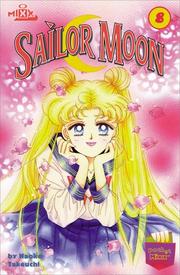
The Infinity arc at full strength: Haruka, Michiru and Setsuna operating on a moral logic the inner Senshi cannot accept. The best argument that Sailor Moon is not a children's comic.

The Infinity climax, and Hotaru's story resolving. Read directly after volume 8; the two are a single sustained sequence.

The Dream arc opens with the Amazoness Quartet and Chibi-Usa given her own interiority for the first time. A deliberate change of register after Infinity.

The Dream arc's conclusion and the last calm before the finale. Takeuchi's page design is at its most decorative and least conventional here.
Stars, and the short stories
IntermediateFinish the series and read the supplementary material that actually adds something.
▸ Study plan for this stage
Pace: Four or five evenings. No page count is recorded in our catalogue for volume 12; the short story collection runs 198 pages. Read volume 12 first and read it as the real conclusion — the manga's ending differs substantially from the anime's, and nothing after it is a continuation. Then read Sailor Mo
- The Stars arc as the manga's own ending, distinct from the adaptation most readers meet first
- Where the manga and anime endings diverge, and what each is trying to conclude
- Side stories as coda: material scattered across the timeline that only works read last
- The five arcs in retrospect, and which of them the ending is actually answering
- Reading order chosen against chronology, for the third time on this path and for the same reason each time
- How does the manga end, and in what specific ways does it differ from the anime ending?
- Which earlier arc does the finale most directly answer, and what evidence in volume 12 supports that?
- Which of the short stories would have been spoilers if read in chronological position, and why?
- Looking back across all five arcs, what changed most in Takeuchi's storytelling between volume 1 and volume 12?
- Does the series end where it had to, or where the serialisation stopped? Argue it from the volume itself.
- Before opening volume 12, write down how you expect the series to end. Compare afterwards — if you know the anime, the gap between your prediction and the page is the most instructive thing this stage offers.
- After finishing the short stories, place each one on the series timeline and mark which ones you could not have read at that point without spoiling something.
- Reread the first chapter of volume 1 immediately after volume 12. Twelve volumes of compression later, judge how much of the ending was visible in the opening.
- Write a two-paragraph reading order for a friend starting tomorrow: where Codename: Sailor V goes, which volumes they will have to source themselves, and where the short stories belong. If you can write it clearly, you have the path.
Next up: This is the end of the path: the five arcs in publication order, the prequel placed where it helps rather than where it happened, the two supply gaps named honestly, and the short stories read last as a coda.

The Stars arc and the ending of the manga, which differs substantially from the anime's. Read it as the real conclusion — nothing after this is a continuation.

Side stories scattered across the run's timeline, including several that assume you know how volume 12 ends. Read last, as a coda, rather than interleaved by chronology.