Rugby: the best books to learn the game and follow it closely
This curriculum takes a complete beginner from the basic laws and positions of rugby union through to its rich tactical complexity, global history, and deep cultural identity. Each stage builds on the last — first establishing the language of the game, then exploring how it is played and coached, and finally diving into the stories, rivalries, and traditions that make rugby one of sport's most compelling worlds.
Foundations: Understanding the Game
BeginnerGrasp the fundamental rules, positions, and flow of rugby union so that watching or playing the game makes immediate sense.
▸ Study plan for this stage
Pace: 2–3 weeks, ~25–30 pages/day
- The 15-a-side team structure and primary positions (forwards, backs, scrum-half, fly-half, centers, wings, fullback)
- Basic scoring system: tries (5 points), conversions (2 points), penalties (3 points), drop goals (3 points)
- The scrum, lineout, and ruck as fundamental set pieces and how they restart play
- Offside rule and how it differs from other sports; the concept of being 'onside'
- The flow of play: phases of attack, ball-in-hand movement, and defensive alignment
- Key fouls and penalties that stop play or result in free kicks and penalty kicks
- The role of the referee and basic hand signals for common infractions
- Can you name the 15 positions on a rugby team and describe the primary role of each?
- How many points is a try worth, and what is the difference between a try and a conversion?
- Explain what a scrum is, when it occurs, and which players are involved in forming it
- What is the offside rule in rugby, and how does it affect attacking play?
- Describe the sequence of events after a tackle: what happens to the ball and how does play restart?
- What are three common penalties in rugby, and what are the consequences for the offending team?
- Watch a full 80-minute rugby union match (available on YouTube or streaming services) and pause to identify positions and call out scoring events as they happen
- Create a labeled diagram of a rugby field with all key markings (try line, halfway line, 22-meter line, touch line, goal line) and position each of the 15 players in their starting formation
- Play a simple rugby simulation game or use a rugby app that teaches basic rules in interactive format
- Read the Laws of the Game summary in 'Rugby for Dummies' and write a one-page cheat sheet of the top 10 rules you'll encounter most often
- Attend a local rugby match (club, school, or university level) and keep a tally of tries, penalties, and set pieces you observe
- Practice explaining the scrum, lineout, and ruck to a friend or family member without looking at notes—refine your explanation until it's clear and concise
Next up: Understanding the foundational rules, positions, and flow of rugby union equips you to recognize tactical patterns and strategic decision-making, preparing you to explore how teams build plays, manage set pieces, and execute winning game plans in the next stage.
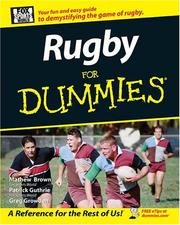
The single best entry point for a complete novice — it explains the laws, positions, set pieces, and scoring in plain, jargon-free language. Read this first to build the vocabulary every later book assumes you have.
The Culture and Soul of Rugby
BeginnerDiscover the human stories, traditions, and passionate cultures — from the All Blacks to the Welsh valleys — that give rugby its unique identity.
▸ Study plan for this stage
Pace: 4–5 weeks, ~40–50 pages/day
- Rugby as a reflection of national and regional identity, particularly in New Zealand, Wales, England, and the Pacific Islands
- The role of working-class communities in shaping rugby culture and the sport's evolution from elite origins
- How rugby traditions, rituals, and mythology (like the haka) embed themselves in collective memory and social cohesion
- The tension between rugby's amateur heritage and its professionalization, and what this reveals about cultural values
- Individual player stories and leadership as windows into broader cultural narratives
- The concept of 'mud' as metaphor—physicality, struggle, and authenticity as core to rugby identity
- How rugby clubs and teams function as social institutions that bind communities together
- What does Beard argue about the relationship between rugby and national identity, using specific examples from the All Blacks, Welsh, or English traditions?
- How does 'Muddied Oafs' explain the transition from rugby as an amateur, working-class pastime to a professionalized sport, and what cultural tensions does this reveal?
- What role do rituals and traditions (such as the haka or pre-match ceremonies) play in rugby culture according to Beard, and why do they matter beyond the game itself?
- How do individual player stories in the book illustrate larger themes about class, community, and national pride?
- What does Beard mean by the 'soul' of rugby, and how does this differ from rugby as merely a sport or business?
- How do rugby communities—whether in Wales, New Zealand, or elsewhere—use the sport to maintain cultural identity and social bonds?
- Create a 'cultural map' of rugby: identify 3–4 regions or nations discussed in the book and note how rugby shapes identity differently in each place
- Interview a rugby player, coach, or passionate fan about what rugby means to them culturally or personally; compare their answers to Beard's themes
- Analyze one specific tradition or ritual from the book (e.g., the haka, post-match social customs) and research its historical origins and modern significance
- Write a short character sketch (500–700 words) of one player or figure Beard profiles, focusing on how their personal story reflects broader cultural themes
- Watch a match or highlight reel from a team discussed in the book (All Blacks, Welsh national team, etc.) and journal how the cultural elements Beard describes manifest on the field
- Create a timeline showing how rugby evolved from amateur to professional sport, noting the cultural shifts Beard identifies at each stage
Next up: This stage establishes rugby's deep cultural and emotional roots, preparing you to explore the sport's tactical complexity, technical skills, and strategic dimensions in the next stage.
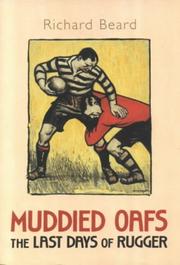
A witty, affectionate, and honest portrait of English rugby culture at the grassroots level — perfect for understanding what the sport means to the people who play it every weekend.
Advanced: Great Minds and the Modern Game
ExpertEngage with the deepest thinking about rugby — its evolving tactics, the legends who shaped it, and the analytical frameworks used by coaches and analysts at the highest level.
▸ Study plan for this stage
Pace: 4–5 weeks, ~40–50 pages/day (approximately 280 pages total; allows time for reflection and note-taking on dense material)
- The All Blacks' culture of continuous improvement and 'legacy thinking' — how institutional values shape sustained excellence
- The concept of 'sweeping' and adaptive systems thinking in rugby — how the best teams evolve rather than rely on fixed tactics
- Leadership through humility and servant leadership — how the All Blacks' captains and coaches lead by example and empower others
- The role of storytelling and narrative in building team identity and transmitting values across generations
- How pressure and adversity reveal and strengthen character — the psychological foundations of elite performance
- The integration of Māori culture and philosophy into modern rugby strategy and team cohesion
- Tactical evolution and the balance between structure and improvisation in high-level play
- What does Kerr mean by 'legacy' in the context of the All Blacks, and how does thinking about legacy shape decision-making differently than thinking about winning a single match?
- How do the All Blacks use the concept of 'sweeping' and adaptive systems to stay ahead of tactical innovation, and what can this teach about organizational learning?
- What role does Māori culture and philosophy play in the All Blacks' approach to rugby and team building, according to Kerr?
- How do the leaders profiled in Legacy (such as Graham Henry, Richie McCaw, and others) exemplify servant leadership, and what specific behaviors or decisions illustrate this?
- What is the relationship between pressure, character, and performance in Kerr's analysis, and how do elite teams use adversity as a teaching tool?
- How does storytelling function as a strategic tool in the All Blacks' culture, and what narratives does Kerr identify as central to their identity?
- Create a 'legacy statement' for a rugby team or organization you know — define what values and behaviors should persist beyond individual players or seasons, then compare your thinking to Kerr's framework
- Analyze a recent match (All Blacks or another elite team) and identify moments of 'sweeping' or adaptive play — how did the team adjust tactics mid-game, and what does this reveal about their systems thinking?
- Interview a coach, captain, or experienced player about how they build team culture and transmit values; map their approach against Kerr's examples of servant leadership and narrative-building
- Read one chapter of Legacy and write a one-page reflection connecting a specific All Blacks principle (e.g., humility, continuous improvement) to a challenge in your own sport, team, or organization
- Compile a 'leadership case study' from Legacy — select one leader (e.g., Graham Henry, Richie McCaw, Dan Carter) and trace how their decisions reflect the book's core ideas about legacy and character
- Watch a documentary or extended highlights of an All Blacks match and annotate it for cultural elements, tactical patterns, and moments that illustrate Kerr's themes; present findings to a peer or group
Next up: This stage equips you with the deepest frameworks for understanding rugby excellence—the philosophical and cultural foundations that sustain elite performance—preparing you to either specialize in coaching/analysis, explore rugby's global variations and how different cultures approach the game, or apply these principles to leadership and organizational contexts beyond rugby.

An examination of the All Blacks' culture, leadership principles, and winning systems — widely regarded as one of the finest books ever written about team performance in any sport. Best appreciated once you understand the game deeply.
Discussion
Keep reading
Paths that share books, cover the same subject, or open a related topic.